
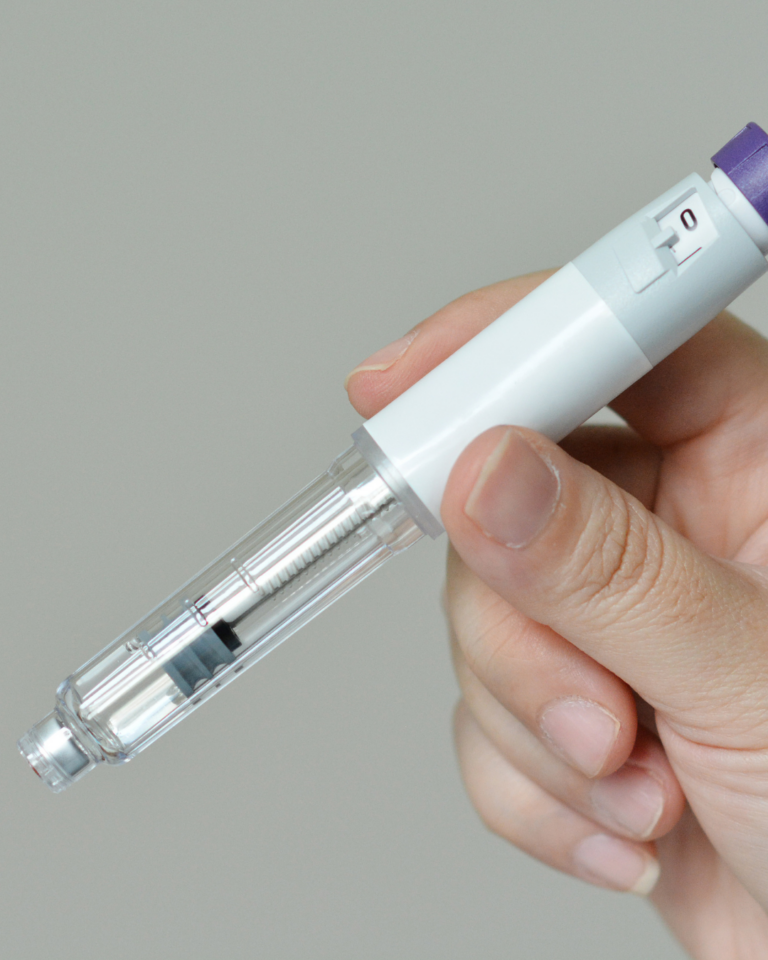
What to Know About GLP-1 Medications and Alcohol Use
People taking Ozempic for diabetes or weight loss have reported something their doctors never promised: they want to drink less....
Alcohol, cocaine, heroin, and ecstasy are examples of psychoactive drugs. However, what do they do? Why do you take them? Moreover, how can you overcome an addiction to them?
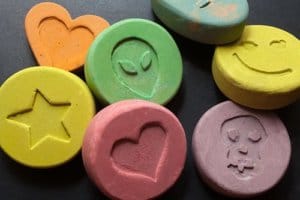
Psychoactive drugs change how the brain processes information. They alter perception, mood, and behavior by interacting with the central nervous system. These substances fall into two broad categories: stimulants and depressants.
Cocaine, for example, is a stimulant that speeds up brain activity. Alcohol, on the other hand, is a depressant that slows it down. Both can significantly affect physical and mental functioning and carry a high risk of dependence.
A psychoactive drug is any substance that impacts the brain and alters mood, thought patterns, or behavior. Some are legal and prescribed for specific conditions, while others are used recreationally or misused. Regardless of intent, repeated use can lead to addiction.
Common signs of psychoactive drug effects include:
These substances appeal to different groups for different reasons. Students and athletes may seek out stimulants to boost focus or energy. Others may turn to depressants to cope with anxiety, trauma, or overwhelming emotions.
Using psychoactive drugs to self-medicate can seem helpful in the short term, but it often creates a cycle of dependence. Whether stimulants or depressants, these substances have strong addictive potential.
Many people are familiar with alcohol and cocaine, but the list of psychoactive substances is much broader. Below is an overview of commonly known psychoactive drugs, both legal and illegal:
Many prescribed medications also fall under the category of psychoactive substances. These include antidepressants, antipsychotics, anti-anxiety drugs, and mood stabilizers.
Recovery often begins with medically supervised detox. Withdrawal symptoms can be intense, especially for substances like opioids, benzodiazepines, or alcohol. In a clinical setting, medical staff monitor for complications and manage symptoms to keep the process safe and manageable.
After detox, ongoing clinical care is important. Treatment focuses on:
At Ashley Addiction Treatment, we provide a range of therapies for individuals struggling with psychological disorders. These may include:
We also offer holistic support like yoga and mindfulness training to help with anxiety, stress, and relapse prevention.
If psychoactive drugs are affecting your life or the life of someone you care about, help is available. Ashley Addiction Treatment offers personalized, evidence-based care across our three locations in Maryland.
You’re not alone in this. Contact us today or call us at 866-313-6307 to speak with a therapist and learn more about treatment options.