
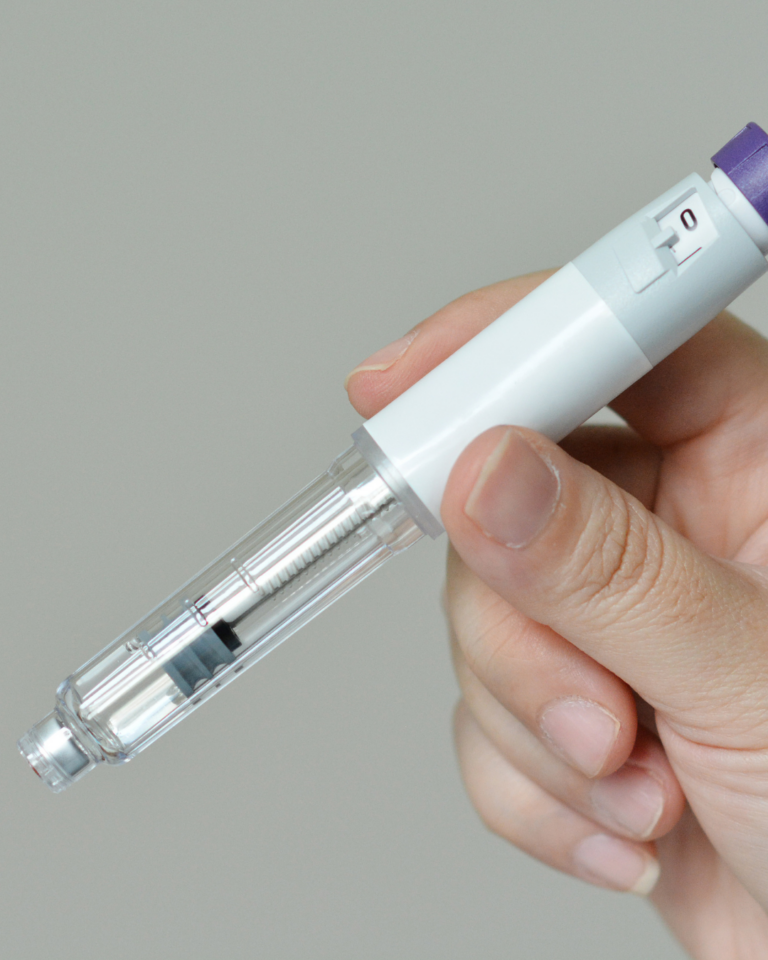
What to Know About GLP-1 Medications and Alcohol Use
People taking Ozempic for diabetes or weight loss have reported something their doctors never promised: they want to drink less....

Everyone deserves the chance at lifelong recovery from addiction, whether it’s from drugs or alcohol. We provide the extended support and education you or your loved one need to build a healthier life in recovery.
Extended care programs provide long-term, residential treatment in a structured, community setting. Participants continue therapy, practice life skills, and build stability over an extended period (60+ days) after initial rehab. This comprehensive approach addresses both the lingering effects of addiction and underlying issues, helping individuals develop confidence in their sobriety.
In contrast, Partial Hospitalization Programs (PHPs) provide intensive daytime treatment while allowing individuals to maintain daily routines, promoting independence and immediate application of coping skills in real-life settings. PHPs serve as a transitional step from more intensive care to outpatient settings, offering cost-effective, flexible support suitable for individuals needing intensive therapy but not requiring 24/7 supervision.
Both extended care and PHP have important roles in recovery. Extended care is ideal for those needing more time in a supportive environment, while PHP helps people transition back to daily life with ongoing support. Our team will help determine which approach fits your needs, ensuring you have the best chance at long-term success.
Following the completion of traditional inpatient treatment programs, people recovering from a substance use disorder might require support to increase their chances of lifelong recovery. Extended care programming provides the counseling, education and wellness activities you need to learn how to live a life free of substance use. This extended care gives you time to apply recovery skills in real life situations while still being supported, significantly increasing your chances of maintaining sobriety.
Our long term addiction treatment program consists of 60 days of treatment at a private, Ashley-owned residence in Havre de Grace, Maryland, offering a safe environment for individuals recovery from drug or alcohol addiction.
Programming includes:
If you’ve been through rehab before but still struggled to stay sober, an extended care addiction treatment program gives you more time to reinforce your recovery skills with professional support. This includes individuals who:
Those who have experienced multiple relapses or have struggled to maintain sobriety despite previous attempts at treatment may benefit from extended rehab. These programs provide continued guidance and reinforcement of recovery skills to reduce the risk of relapse.
Individuals with a history of severe addiction or co-occurring mental health disorders may benefit from extended rehab to address complex needs over an extended period. These programs offer comprehensive treatment strategies tailored to individual circumstances.
Extended care is beneficial for individuals transitioning from more intensive levels of care, such as inpatient or partial hospitalization programs, to independent living or outpatient rehab. It provides a structured environment while allowing for greater independence and integration into everyday life.
Some individuals benefit from the structured environment of extended care rehab programs, which provide regular therapy sessions, group activities, and support meetings. This structure helps individuals maintain focus on their recovery goals and develop healthy routines.
Extended care rehab programs often offer opportunities for ongoing education about addiction, relapse prevention strategies, and life skills development. This continuous learning supports individuals in building resilience and achieving long-term success in recovery.
Ashley Addiction Treatment is accredited by The Joint Commission for high-quality care. Our Extended Care program is offered at a private residence near our main campus in Havre de Grace, Maryland, ensuring a safe and comfortable environment.
Ashley also provides outpatient treatment in Bel Air and recovery support at The Clubhouse in Aberdeen, MD, reinforcing our commitment to lifelong recovery across Maryland.
Ready to get help? If you see yourself or your loved one in these scenarios, call us at 800-799-4673. Our counselors can guide you through your options.
Extended care provides continued support after inpatient treatment, with more independence while still offering structure and accountability. It allows individuals to practice recovery skills in a real-world setting while remaining in a supportive environment.
Extended care is often recommended after completing inpatient or a higher level of care, but every situation is different. Our team will assess your history, current needs, and recovery goals to determine the most appropriate starting point and whether extended care is a good fit.
Many extended care programs allow for increasing independence over time, which may include returning to work, seeking employment, or continuing education. Expectations vary based on individual progress and program structure.
After extended care, individuals typically transition to a lower level of support such as outpatient treatment, recovery coaching, or alumni programming. Ongoing support helps maintain progress and build long-term stability in recovery.