
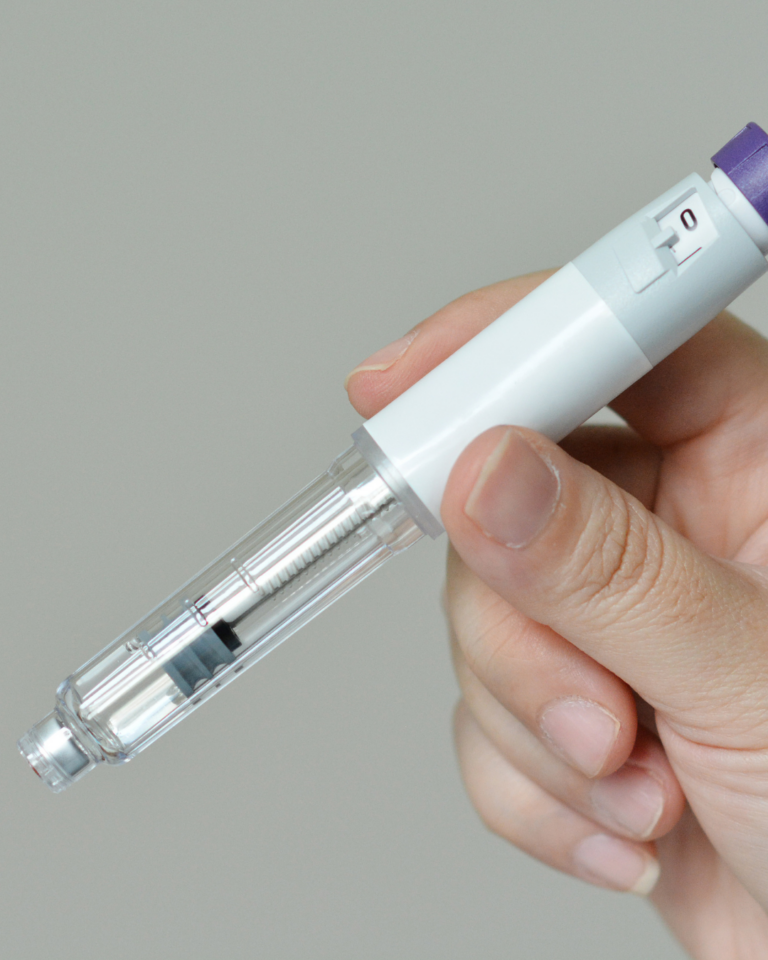
What to Know About GLP-1 Medications and Alcohol Use
People taking Ozempic for diabetes or weight loss have reported something their doctors never promised: they want to drink less....

Substance use disorder and mental health conditions frequently occur together. At Ashley Addiction Treatment, our dual diagnosis treatment program addresses both at the same time, under one coordinated plan, with a clinical team that specializes in exactly this overlap.
Our full-time psychiatrists and clinical psychologists treat mental health conditions including depression, anxiety, PTSD, and trauma alongside addiction. If you or someone you love is living with both a mental health disorder and a substance use problem, Ashley’s approach to co-occurring disorders offers a path forward that treats the full picture.
We’ll help you, your loved one or your patient heal from substance use disorder — for good.
Get Help Today Call Now 866-313-6307Dual diagnosis treatment addresses two conditions simultaneously: a substance use disorder and a co-occurring mental health disorder. Common pairings include depression and alcohol dependence, anxiety and opioid use, PTSD and stimulant addiction, and bipolar disorder and polysubstance use.
When only the addiction is treated, the untreated mental health condition often drives relapse. When only the mental health disorder is treated, active substance use undermines progress. Depression, anxiety, trauma, and other conditions frequently overlap with addiction. Ashley’s dual diagnosis program treats both together, with a single clinical team managing the full treatment plan.
Our approach follows American Society of Addiction Medicine (ASAM) criteria to assess each patient’s level of care needs across six dimensions, including emotional and behavioral conditions. This informs how psychiatric care, therapy, and addiction treatment are structured for each individual.
Many people arrive at treatment having been diagnosed with one condition without knowing the other exists. Some common indicators that both may be present:
A formal psychiatric evaluation at Ashley determines whether co-occurring conditions are present and how they interact. Treatment is built from that assessment.
Our licensed therapists provide a wide range of therapies to help individuals process emotional pain and rebuild healthy coping skills. These services are available in both individual and group settings and are tailored to support each patient’s mental health needs.
Trauma-informed care in addiction treatment means every aspect of the clinical environment is designed with trauma’s effects in mind. For patients who have experienced trauma, standard approaches to confrontation, disclosure, and group participation can retraumatize rather than heal.
At Ashley, trauma-informed care shapes how clinicians communicate, how groups are structured, and how treatment is paced to build safety before processing difficult experiences. Patients are not required to disclose trauma before they are ready.
This approach is built into Ashley’s broader dual diagnosis treatment model and applies across residential treatment and outpatient levels of care.
Psychiatric support at Ashley is delivered by board-certified professionals who specialize in treating mental health and addiction together. Services include:
This level of care ensures that patients are not only stabilized during treatment but are also prepared to manage their mental health after they return home.
Alongside therapy and psychiatric care, Ashley offers structured psychoeducation throughout residential treatment. These workshops use interactive formats, written exercises, and facilitated discussion to build practical recovery skills.
Topics covered include:
Family members are also involved in select educational programming to support recovery after discharge.
Dual diagnosis treatment addresses a substance use disorder and a co-occurring mental health condition at the same time, under a coordinated clinical plan. At Ashley, this means psychiatric care, individual therapy, and addiction treatment run in parallel rather than in sequence.
Yes. Ashley’s residential program on the main campus in Havre de Grace, Maryland provides full inpatient mental health treatment alongside addiction care. Board-certified psychiatrists and licensed therapists work together throughout a patient’s stay.
Trauma-informed care means the clinical environment and therapeutic approach are designed to avoid retraumatizing patients who have a history of trauma. At Ashley, this shapes how groups are run, how therapists communicate, and how treatment is paced to build safety before processing difficult experiences. It is built into the broader co-occurring disorder treatment model.
Yes. Ashley offers specialized group therapy for depression and anxiety as part of its dual diagnosis programming. These groups run alongside individual therapy and are facilitated by licensed clinicians. Learn more about Ashley’s full range of therapeutic approaches.
If you or someone you love is dealing with a depressive episode, addiction cravings, or a combination of substance use disorder and psychiatric symptoms, help is available. Our experienced staff is here to guide you toward healing.
Call 800-799-4673, contact admissions online, or verify your insurance coverage to take the next step.