

What Is Contingency Management in Addiction Treatment?
How Contingency Management Treats Stimulant Use Contingency management (CM) gives people small, immediate rewards, such as gift cards or prize...

Addiction treatment should be built on evidence. We help build it.
For decades, addiction treatment has been underfunded and understudied. Too many programs still run on philosophy rather than evidence. Imagine treating high blood pressure without ever taking a reading.
Ashley takes a different approach. In partnership with faculty from Johns Hopkins University School of Medicine, we study what helps people recover, publish what we find in peer-reviewed journals, and change our care based on the results.
Addiction keeps changing as substances, communities and health care change. Research is how we keep up.
Our research doesn’t sit on a shelf. It follows a cycle that starts and ends with patients.
We collect what patients report about their symptoms, along with biometric data and treatment outcomes.
We identify the psychological and physical factors that most affect recovery.
We design clinical trials to test whether new interventions work.
We refine treatment and clinical programs based on what we learn, then start again.
Our research spans four areas, from the lab to life after treatment.
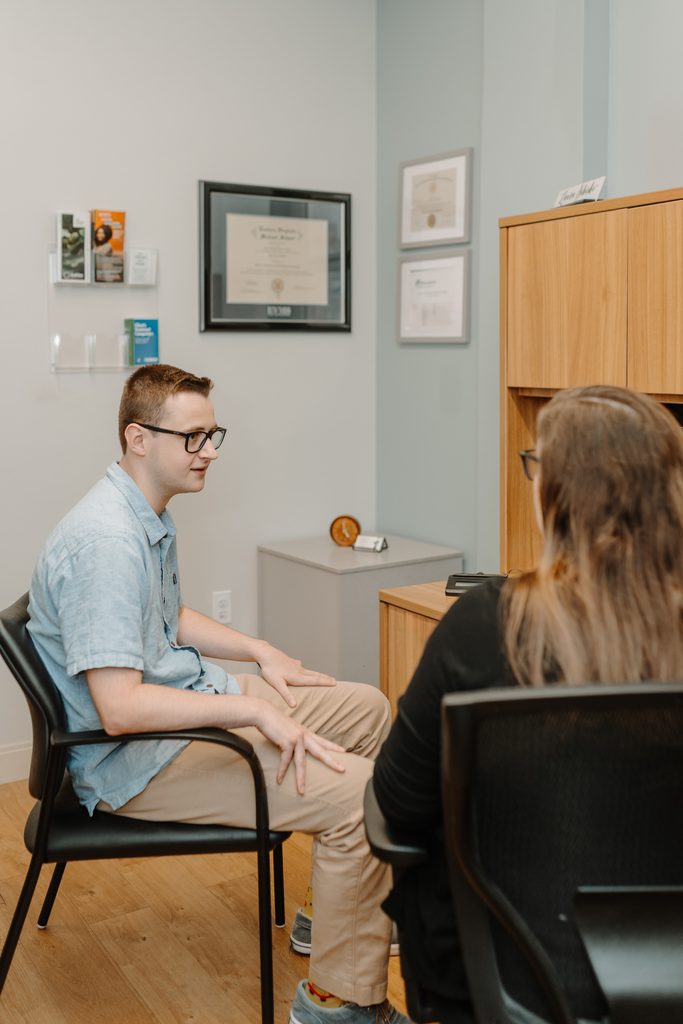
Clinical trials. Testing new treatments and approaches to find out what works best for patients.
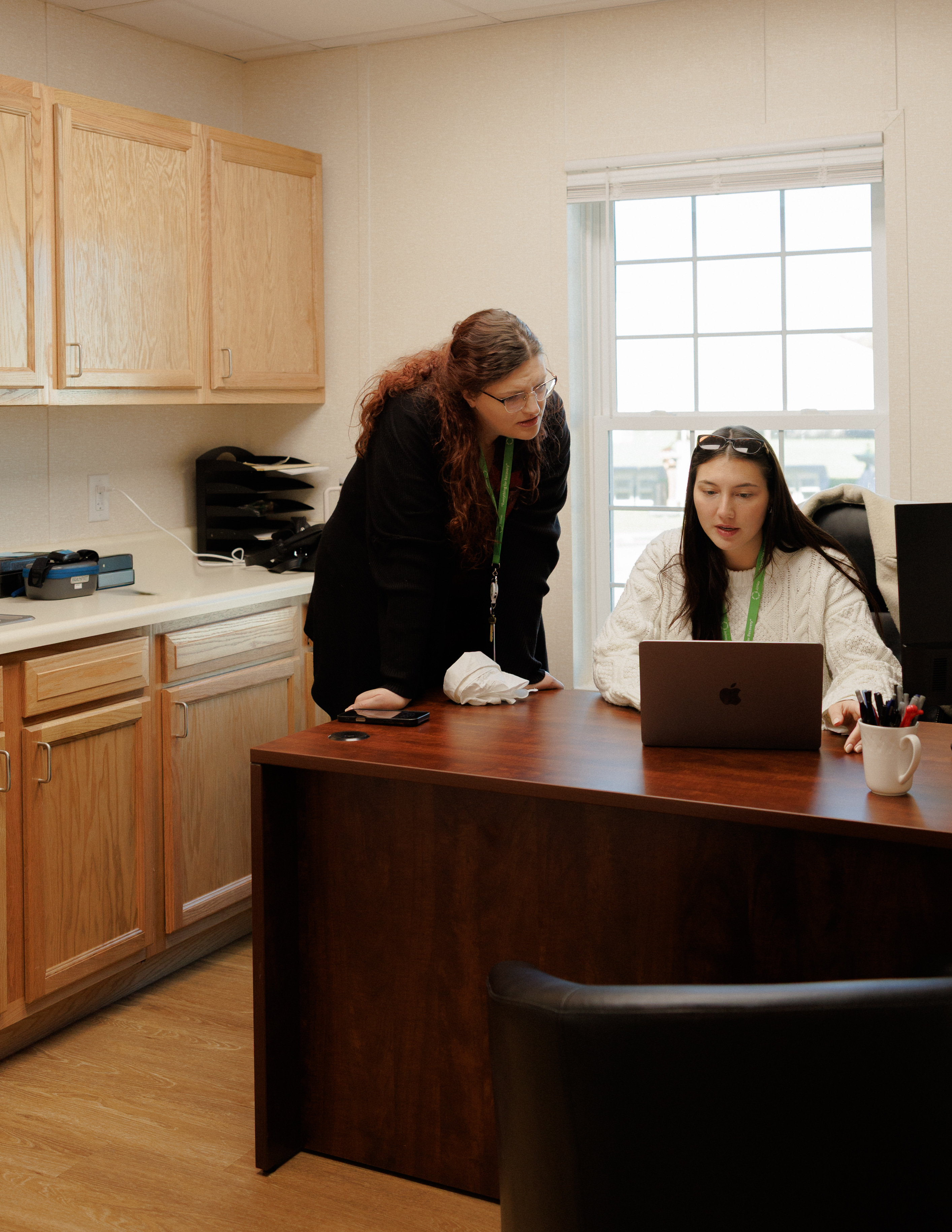
Treatment Outcomes. Tracking symptoms and progress during inpatient and outpatient care to see what drives recovery.

Health services. Looking at what happens after treatment ends, to understand which effects last and why.
Basic science. Studying how substances move through and affect the body, including how long they take to clear.

These studies are underway, and each one takes on a question patients and families face every day.
Our team publishes in peer-reviewed journals so others in the field can learn from and build on our work. Recent studies include:
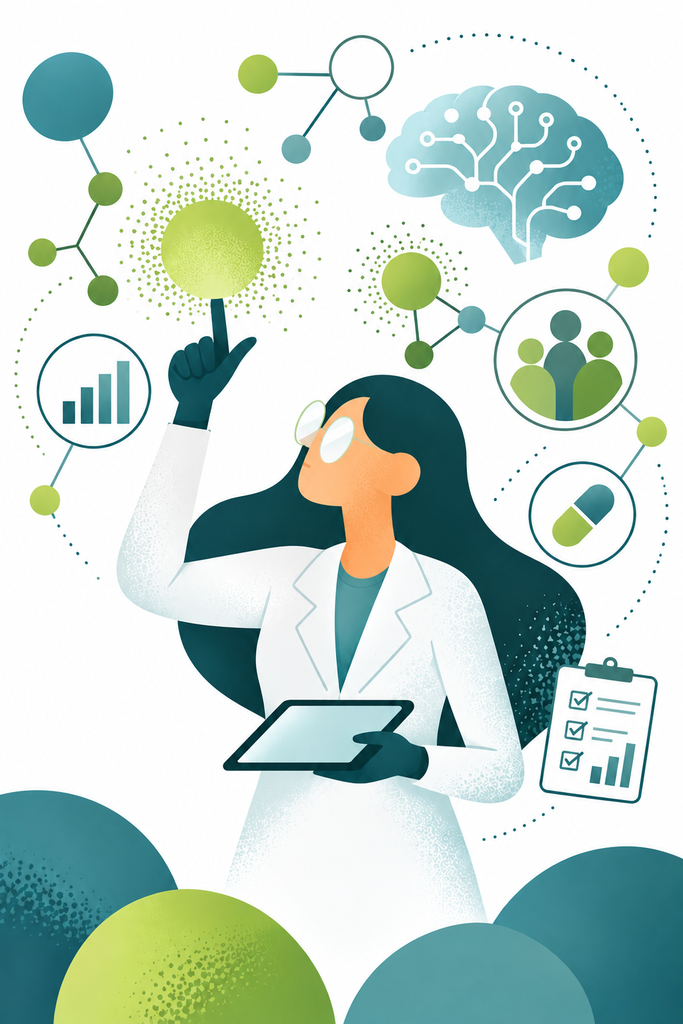
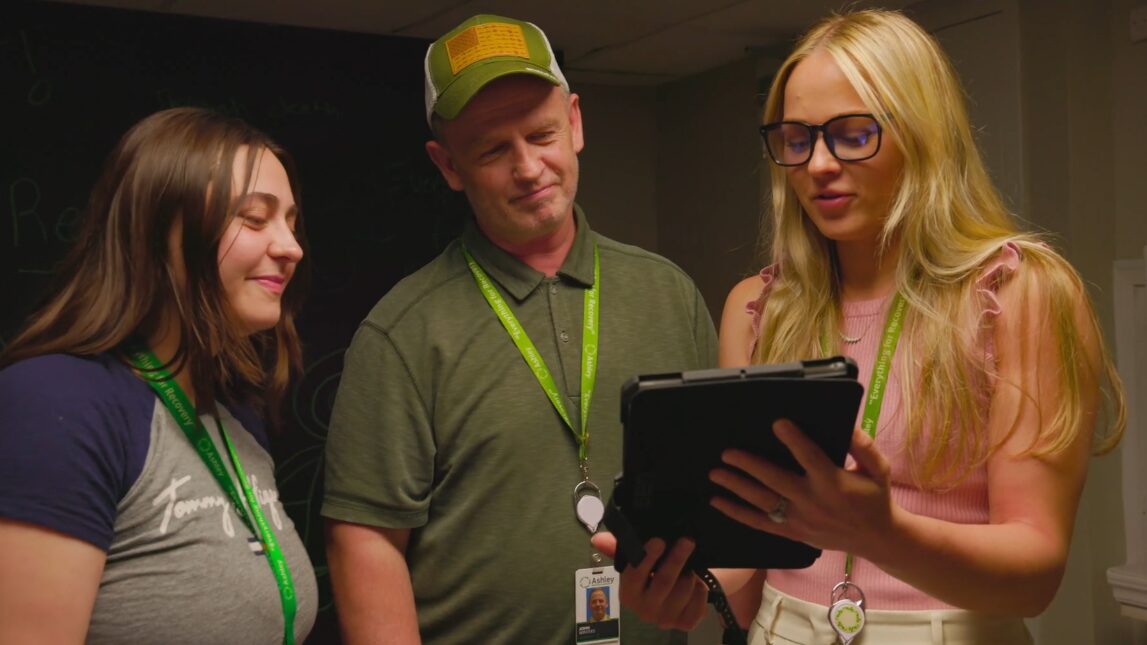
Patients complete regular assessments that measure factors proven to predict long-term recovery. Every assessment is scientifically validated. Because the data comes in weekly, our care team can spot a patient who is struggling and respond right away.

Fitbit devices track sleep, activity and other health signals. This helps us understand how physical health shapes recovery.
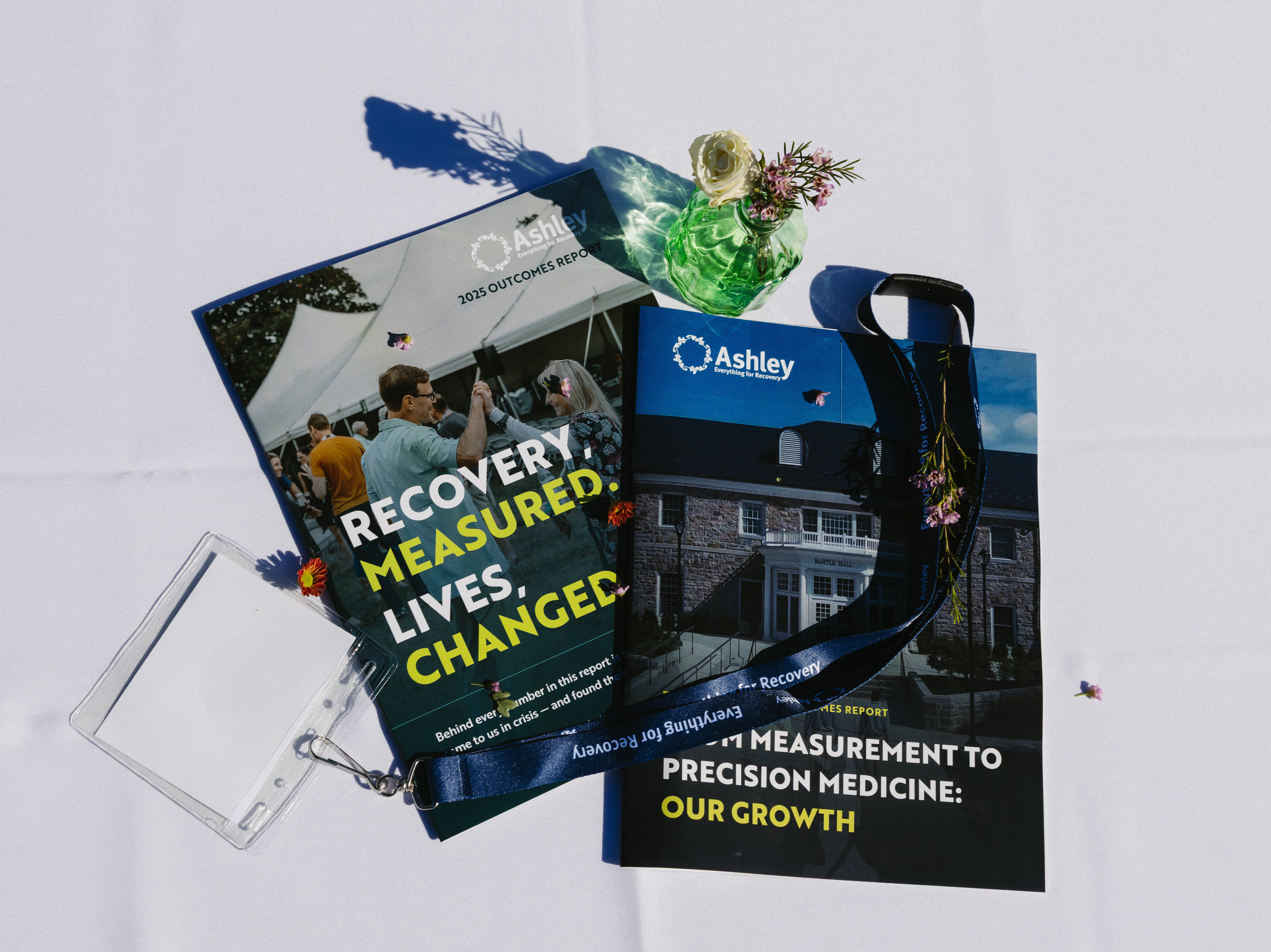
Research only matters if it helps people get better. Every year, we publish our patient outcomes: who we serve, how they progress during treatment, and how they’re doing after they leave.
When the data shows a gap, we act on it. Comparing our results with programs nationwide showed our patients’ cravings weren’t improving as much as they should. So we changed how we use medication and how our medical and clinical teams work together.
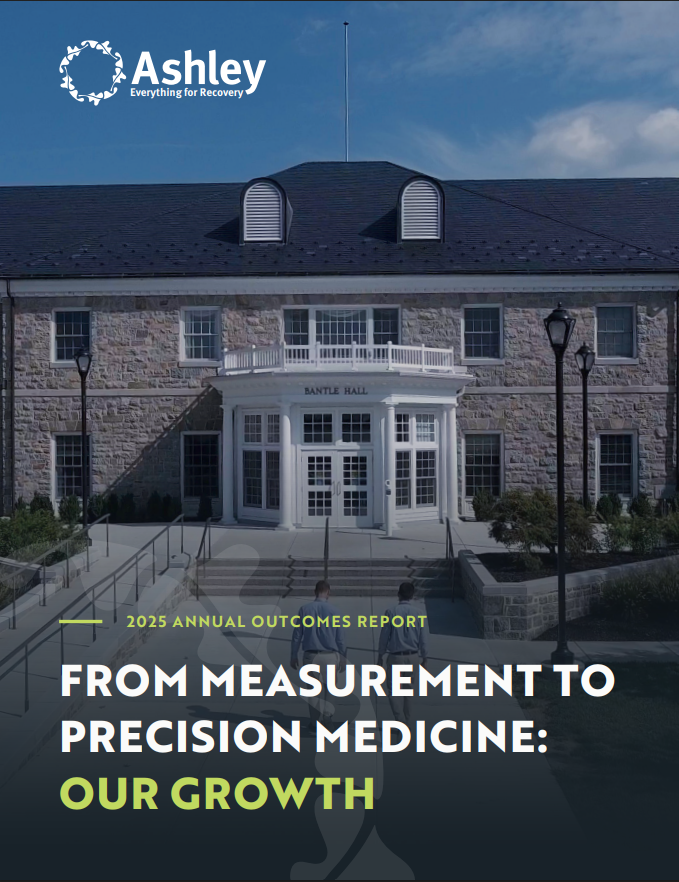

Our research is just getting started. Our Addiction Recovery Research Center (ARRC) officially opened October 2026, giving our team dedicated space and capacity for more clinical trials. It’s a home for research that will shape addiction care far beyond our campus.
This work depends on partners: researchers, clinicians, alumni and donors who believe treatment should be built on evidence.

Director of Academic Research

Director of Clinical Research
"*" indicates required fields