

What Is Contingency Management in Addiction Treatment?
How Contingency Management Treats Stimulant Use Contingency management (CM) gives people small, immediate rewards, such as gift cards or prize...
Move between services as your needs change.
Call Now 800-799-4673
Many people picture addiction treatment as a single stay with a fixed end date. Recovery doesn’t work that way. Some people need round-the-clock care to start. Others can begin while living at home. Needs change, sometimes in weeks, sometimes in a day.
At Ashley, care adjusts with you. Our services connect, so you can start where it makes clinical sense and move up or down as you need. You keep the same treatment team and the same plan, so you never have to start over.
What it is: A confidential call with our admissions team. We listen, answer your questions, check your insurance and explain your options.
Who it’s for: Anyone considering treatment for themselves or a loved one, and professionals making a referral.
What’s next: Help taking the next step toward the level of care that fits.


What it is: Medically supervised withdrawal on our main campus, with round-the-clock care from physicians and nurses and medication to ease symptoms and keep you safe. [
Who it’s for: People who are physically dependent on alcohol, opioids, benzodiazepines or other substances, for whom stopping on their own could be uncomfortable or dangerous.
What’s next: Most people move straight into residential treatment, with the same team and no new admission process.
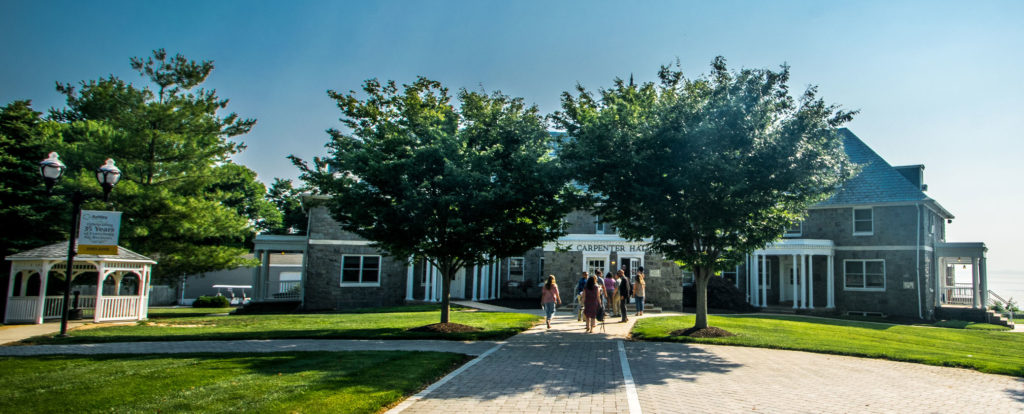
What it is: 24-hour structured, medically monitored care on our main campus. A standard stay is 28 days.
Who it’s for: People who need medical support, a break from their environment, or the most structure to begin recovery. What’s next: Extended Care, PHP/IOP or outpatient, depending on progress.
Some people need care built around a specific challenge. These programs take place within residential treatment and connect to the rest of the continuum like any other level.

What it is: About 30 days of residential treatment designed for pilots in the early stages of the HIMS program. It includes therapy, training, mentoring, weekly family coaching, and help completing disability paperwork to support a return to work. A 5–7 day evaluation is available on request.
Who it’s for: Pilots working toward sobriety and a return to active flight duty. In addition, the program supports licensed professionals in many fields, including but not limited to medicine, nursing, and law.
What’s next: A continuing care plan built around return-to-duty requirements, with ongoing support and monitoring.
What it is: Treatment for chronic pain and substance use together, as part of residential care. Each plan is tailored to the patient and combines medical care, pain education, cognitive behavioral therapy, and healing activities such as yoga, meditation and art therapy.
Who it’s for: People whose chronic pain and substance use, often including dependence on prescribed pain medication, are tangled together.
What’s next: A continuing care plan built with Ashley’s network of pain recovery specialists, plus weekly virtual pain recovery alumni meetings.

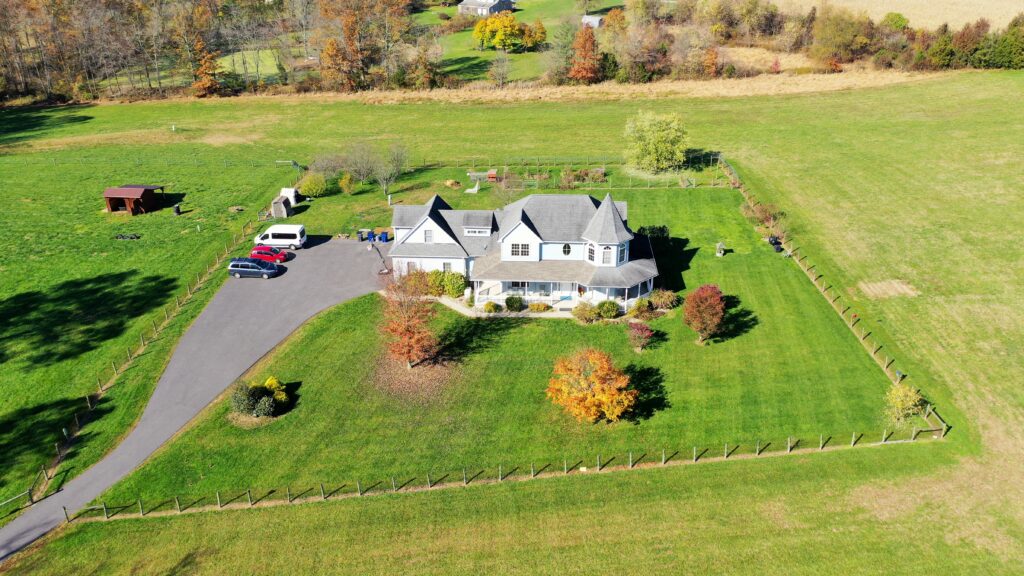
What it is: Additional time and support after residential treatment, to build the habits and stability that make recovery last.
Who it’s for: People who need more time before returning home, or whose home environment isn’t yet supportive of recovery.
What’s next: Outpatient care and continuing recovery support.
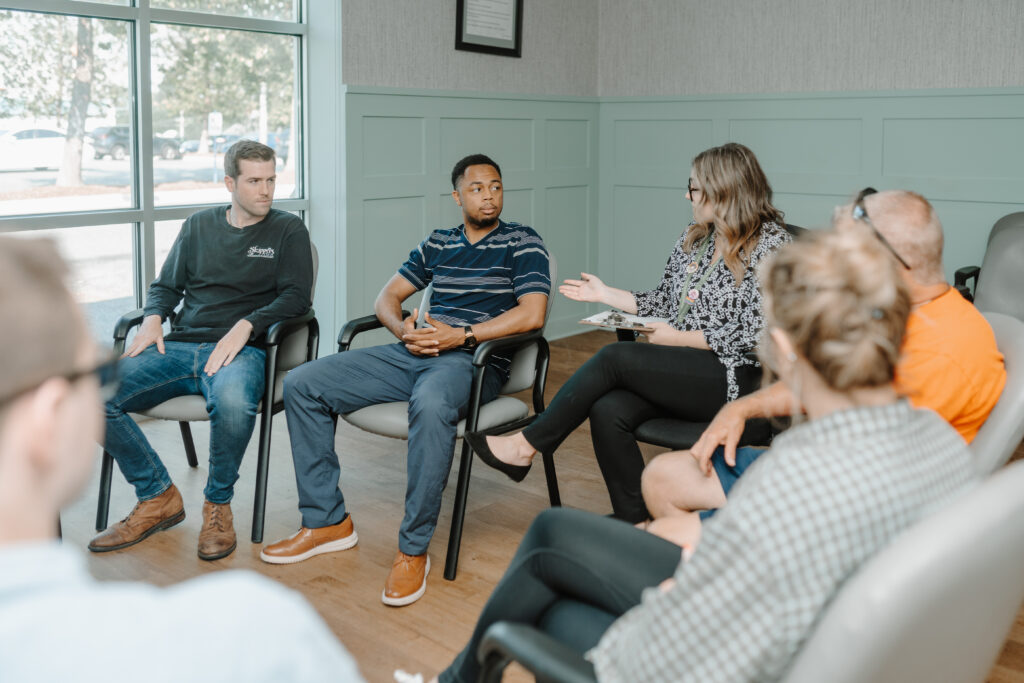
What it is: Structured daytime treatment (PHP) or a flexible schedule of several sessions a week (IOP), while living at home.
Who it’s for: People stepping down from residential care, or starting treatment who don’t need 24-hour support.
What’s next: Step down to outpatient as you progress, or step up to residential if you need more support.
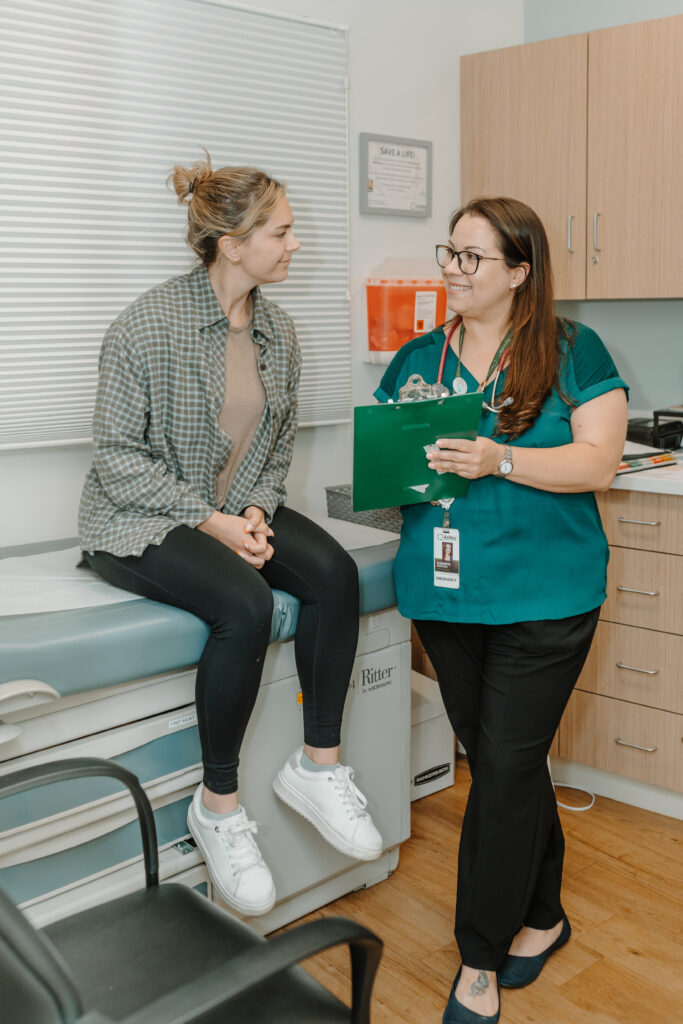
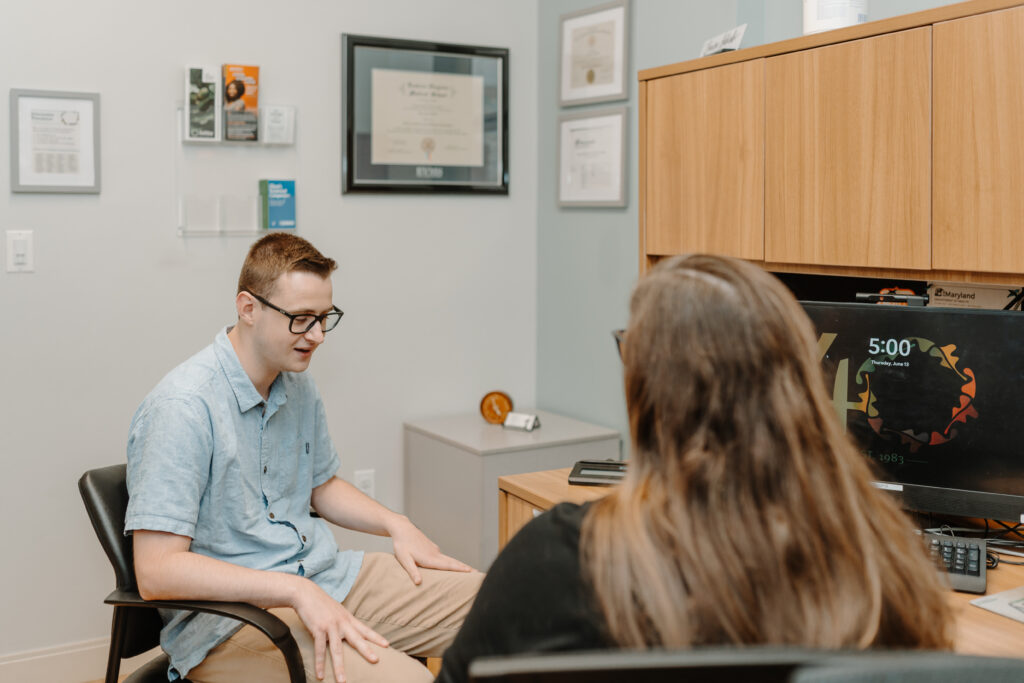
What it is: Ongoing individual and group therapy, medication support and recovery planning, in person in Bel Air or by video.
Who it’s for: People with a stable foundation who want continued care around work and family.
What’s next: Continuing recovery support, with a straightforward path back to more intensive care if needed.
What it is: Alumni programs, The Clubhouse by Ashley in Aberdeen, family support, and a network of trusted providers across the region.
Who it’s for: Everyone, at every stage, including long after treatment ends.
What’s next: Whatever recovery calls for. You can always reconnect with our team.

Your treatment team checks your progress throughout care. How we measure progress →
When your needs change, your level of care changes with them.
Stepping down.
As you reach your clinical goals, you move to a level with more independence. Your records, treatment plan and, wherever possible, your clinicians come with you.
Stepping up.
If you’re struggling, whether with cravings, mental health or a return to use, you can move to a level with more support. You won’t go back to the beginning or wait in a new admissions process.
Stepping up isn’t failure. Needing more support is a normal part of recovery, and catching it early is exactly what a continuum is for.
Recovery doesn’t happen in one building. We work with the doctors, therapists and programs already in your life before, during and after treatment at Ashley.
Physicians, therapists, hospitals and employee assistance programs can refer patients directly. We share what’s needed to get care started quickly.
With your permission, we keep your outside providers informed and involve them in planning.
Every patient leaves with a continuing care plan. If you live outside our area or need a specialty service we don’t offer, we connect you with trusted providers in our regional network and make a direct hand-off.
Every path is different. These examples are composites, shown to illustrate how care can move.



No. Your initial call into admissions will determine where you start. Many people begin in PHP, IOP or outpatient care.
You can step up to more intensive care without starting over. Your team will talk with you about what’s needed.
It depends on clinical need, not a fixed calendar. A standard residential stay is 28 days, and many people continue in extended care or outpatient afterward.
Yes. With your permission, we coordinate with your outside providers throughout care.
We have people from all over the county (and beyond) come stay at Ashley. If you are looking for an outpatient program and aren’t within driving distance, please call admissions and we can make a referral for you that may be better a fit.