
PHP vs. IOP: How to Choose the Right Level of Care
You know you need more support than a weekly therapy session, but full residential care is either more than you...
Call Now 800-799-4673
Ashley Addiction Treatment offers outpatient rehab for adults in Maryland seeking support for substance use and related mental health concerns while continuing to live at home or in another supportive setting.
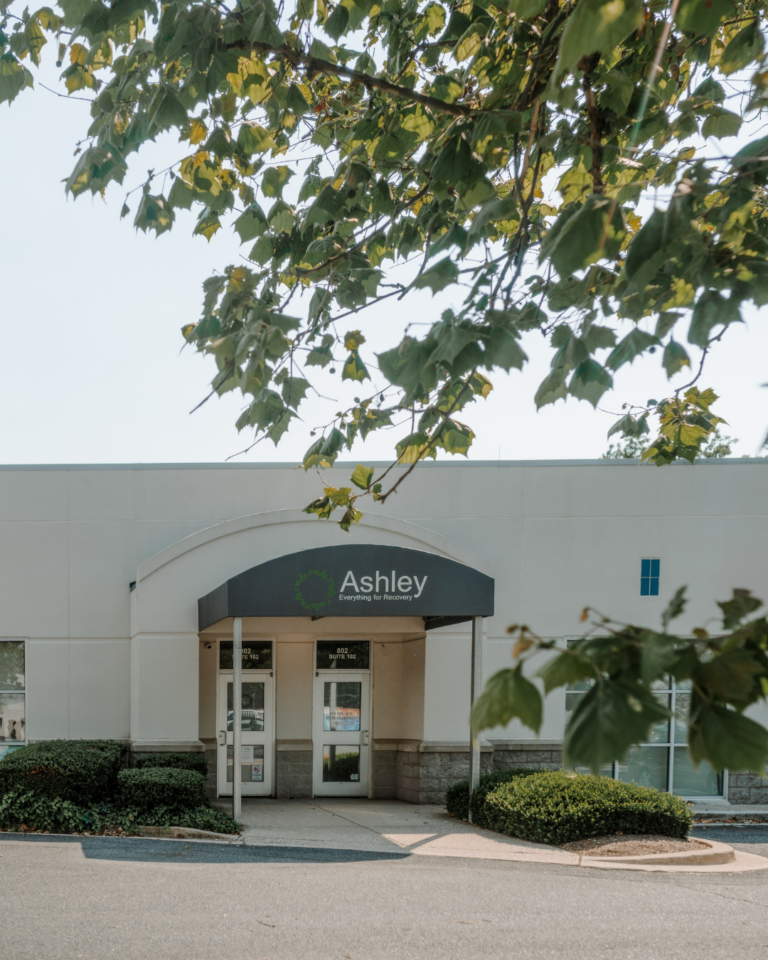
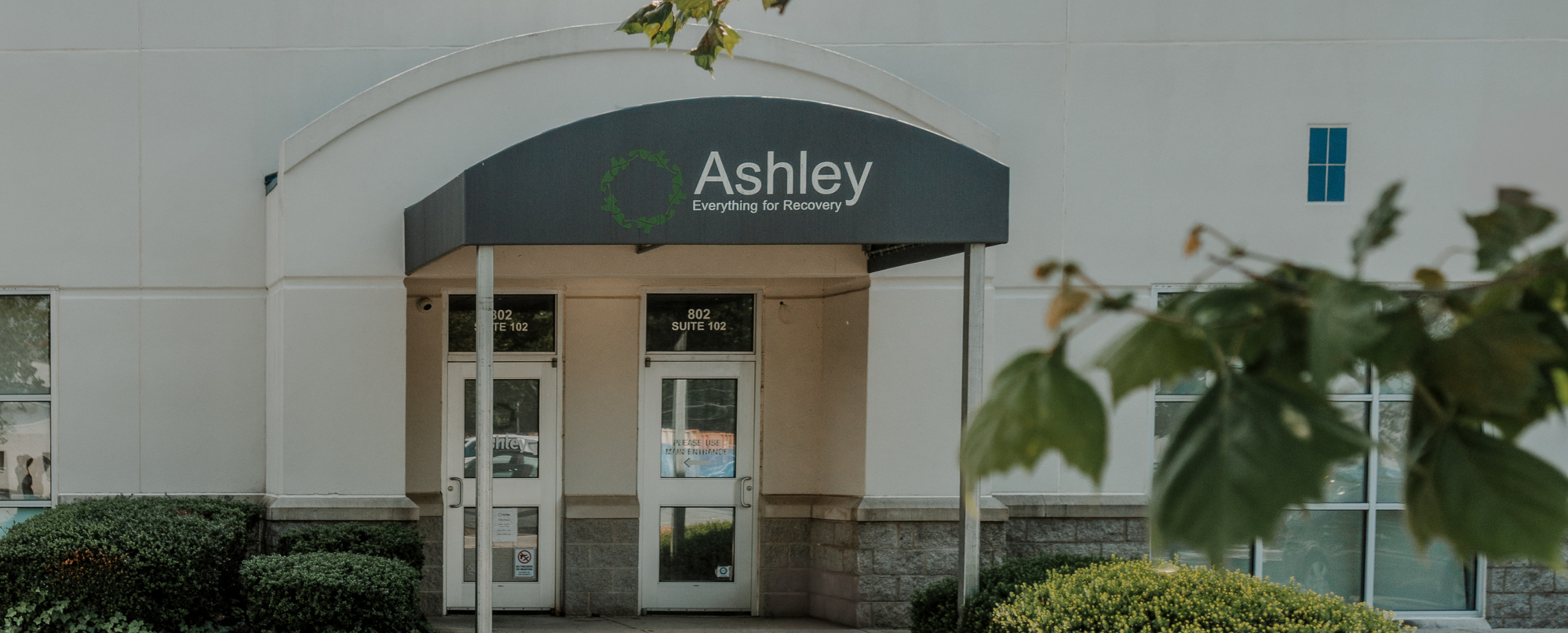
Our outpatient addiction treatment programs take place at Ashley’s Bel Air, MD, campus. They offer different levels of support based on what you need right now. Some people come to outpatient treatment after completing inpatient or residential care at our Havre de Grace campus. Others begin treatment with us in Bel Air because they need support but do not need to stay overnight in a treatment setting.
Outpatient treatment can help you build recovery skills, manage stress and cravings, improve relationships, and stay connected to professional and community support. It also gives you the chance to practice what you are learning in treatment while managing work, school, family, and other parts of everyday life.
The first step is an assessment. Our team will talk with you about what is going on and what support you need, then identify the level of care that would be most helpful.
Ashley offers three outpatient levels of care. Each program provides a different amount of structure and support. Your treatment plan may change over time as your needs change.
PHP is Ashley’s most structured outpatient program. It provides daytime treatment for people who need frequent support from counselors, groups, and a recovery-focused treatment team but do not need to stay overnight in residential or inpatient care.
PHP can be helpful after inpatient treatment, when someone needs more support than IOP can provide, or when recovery becomes harder to manage without a more structured schedule.
Schedule: Monday–Friday, 9:00 a.m.–3:30 p.m. Lunch is provided for PHP participants.
IOP offers regular, structured support for people who need more than occasional counseling while continuing to live at home and manage daily responsibilities.
IOP can help people build recovery skills, work through cravings and stress, improve relationships, and stay connected to support. It may be a helpful starting point, a step down from PHP or inpatient treatment, or a way to get more support during a challenging time.
Schedule: IOP offers the following group options:
A virtual evening track is also available Monday–Thursday for patients who live outside Harford County.
OP offers flexible, ongoing counseling and recovery support for people who do not need the amount of structure provided by PHP or IOP.
It can be a helpful next step after a more structured program. It can also be a starting point for people who would benefit from regular support while balancing work, school, family, or other responsibilities. Your schedule may begin with more frequent support and gradually taper over time as you build stability and confidence.
Schedule: Morning groups (10:00–11:30 a.m.) run Tuesday–Friday, and evening groups (6:00–7:30 p.m.) run Tuesday–Thursday. Groups are held in person or virtually depending on the day.

Recovery often involves more than stopping substance use. It can mean learning how to handle stress, manage difficult emotions, rebuild trust, strengthen relationships, and create routines that support the life you want.
Ashley’s outpatient rehab programs give you a place to work on those goals with support from counselors and others who understand what you may be going through. Depending on your needs and treatment plan, services may include:

Group Counseling and educational groups

Case management help connecting with community resources

Individual counseling

Overdose-prevention with Naloxone™ training (Narcan)

Help creating and updating your treatment plan

Recovery planning and relapse prevention support

Help strengthening recovery supports in your community
Services are individualized. Not every service is needed by, or available to, every person. Your treatment team will work with you to build a plan that makes sense for you.
Outpatient rehab lets you live at home while attending scheduled treatment at our Bel Air campus. Inpatient rehab, offered at our Havre de Grace campus, means staying on site with 24-hour support and a fully structured daily schedule. Both include many of the same therapies, including individual counseling, group therapy, and family support. The difference is how much structure and supervision you need right now.
There is no single “right” path into treatment. The level of support that is most helpful depends on what is happening in your life, the challenges you are facing, your goals, your health needs, and the support available to you outside treatment.
You may benefit from outpatient care if you:
Inpatient care may be a better starting point if you:
Some people begin in PHP or IOP and move to OP as they build stability. Others begin in OP and later decide they need more support. Your treatment plan can change as your needs change.
Ashley’s team will help you understand your options and recommend the level of care that best fits your current needs.
For people completing inpatient or residential treatment at Ashley’s Havre de Grace campus, outpatient services in Bel Air can be the next step in your aftercare plan. PHP, IOP, and OP can help you stay connected to treatment, continue practicing recovery skills, and adjust to life outside a residential setting.
Before leaving inpatient care, your treatment team can help you plan for the next stage of treatment. This may include:
The goal is to provide continued support while you take on more independence and responsibility in everyday life.
Ashley Addiction Treatment is one of the best rehabilitation centers in Maryland, with more than 40 years of experience treating alcohol and drug addiction. Our Bel Air outpatient program is staffed by the same licensed clinical team and guided by the same evidence-based approach as our inpatient program.
As a nonprofit, every decision we make is guided by patient outcomes. Each person receives an individualized treatment plan that addresses substance use, mental health, family dynamics, and long-term recovery. If your needs change, moving between PHP, IOP, OP, and inpatient care is straightforward because it all happens within one organization. path towards recovery.
Important Note: Group therapy hours vary.
Some outpatient services may be available through telehealth when it is appropriate and available. Virtual care can make it easier for some people to attend treatment while balancing work, transportation, family, health, or scheduling needs.
Before beginning telehealth services, Ashley’s team can explain the available options, technology requirements, and privacy expectations. They can also help you decide whether virtual care is a good fit for your needs.
Many people continue working, attending school, caring for family, or managing other responsibilities while receiving outpatient treatment. The schedule depends on the level of care and your individual needs. Ashley offers daytime, evening, and virtual options for some services; contact the program to confirm current availability.
PHP provides the most structured outpatient support and meets during the day. IOP provides regular group treatment and support several times each week. OP offers more flexible ongoing counseling and recovery support. An assessment can help determine which level is most helpful for you right now.
There is no single timeline that works for everyone. The amount of time you spend in treatment and how often you attend are based on your needs, goals, progress, and the support available to you outside of treatment. Your schedule may gradually taper as you build stability.
Yes. Outpatient services can help you stay connected to support after inpatient or residential treatment while you return to everyday life. Depending on your needs, Ashley may recommend PHP, IOP, OP, or another service.
Your treatment plan can change as your needs change. If you need more support, your team can talk with you about PHP, IOP, inpatient care, or another appropriate resource. As you build stability, your schedule may taper to a lower-intensity level of care.
You do not have to figure out the right level of care on your own. Ashley’s admissions team can answer questions, discuss available services, and help arrange an assessment.


