Vicodin is a prescription pain reliever intended for individuals who have sustained an injury or have undergone surgery. As with all opioids, Vicodin provides swift pain relief with an accompanying sense of deep relaxation and euphoria. These pleasant effects create the perfect space for addiction to develop.
As the brain registers the desirable effects in its reward center, the stage is then set for repeated use. For someone who might be vulnerable to developing a substance use disorder, continued Vicodin use could lead to increased tolerance and dependence.
Vicodin addiction affects thousands of Americans each year. Many people start taking this medication after a legitimate injury or surgery, never imagining they might develop a problem. The shift from using Vicodin as prescribed to needing it just to feel normal often happens so slowly that people don’t see it coming. Family members may notice changes in behavior before the person using Vicodin recognizes there’s a problem.
If you’re asking yourself “what is Vicodin?” or trying to understand why this particular medication seems so hard to stop taking, you’re not alone. Vicodin combines hydrocodone with acetaminophen to relieve pain, but that hydrocodone also triggers the same reward centers in your brain that respond to things like food or social connection. Your brain starts to crave that feeling. Even when you take Vicodin exactly as your doctor ordered, your body can become dependent on it. When people take more than prescribed or use it in ways not intended, the risks of addiction and overdose increase dramatically.
What is Vicodin?
Vicodin is a narcotic pain reliever that consists of the synthetic opioid hydrocodone paired with acetaminophen. Vicodin suppresses the effects of physical pain by modifying the signaling in the central nervous system through the body’s opioid receptors.
Vicodin is available in three hydrocodone dosage levels, with 300 mg acetaminophen included in each. Vicodin is a Schedule II DEA controlled substance with a high risk for potential abuse or addiction.
How Does Vicodin Work in the Body?
When you take Vicodin, the medication travels through your bloodstream and attaches to opioid receptors throughout your body, particularly in your brain and spinal cord. This process blocks pain signals from reaching your brain while simultaneously triggering the release of dopamine, a chemical that creates feelings of pleasure and relaxation.
The three available strengths of Vicodin include:
- Vicodin – 5 mg hydrocodone / 300 mg acetaminophen
- Vicodin ES – 7.5 mg hydrocodone / 300 mg acetaminophen
- Vicodin HP – 10 mg hydrocodone / 300 mg acetaminophen
The hydrocodone component does the heavy lifting for pain relief and produces the euphoric effects that can lead to misuse. Meanwhile, the acetaminophen boosts the pain-relieving effects of hydrocodone. Doctors typically prescribe Vicodin for moderate to moderately severe pain following dental procedures, injuries, or surgeries.
Because Vicodin is classified as a Schedule II controlled substance, it sits in the same category as other highly regulated medications with recognized medical uses but significant abuse potential. This classification reflects both its medical value and the real dangers associated with misuse.
Effects of Vicodin
Vicodin is an extremely effective analgesic, providing swift relief of mild to moderate pain. Because it is so effective, people may continue taking the drug for longer than it is needed. In some cases, once the physical pain subsides, the patient may have already developed an addictive response to the drug. The individual may believe they cannot manage without the Vicodin, and continue using it.
Short-Term Effects
- Rapid pain relief within 30-60 minutes
- Feelings of relaxation and calm
- Mild euphoria or sense of well-being
- Drowsiness and reduced anxiety
- Slowed breathing and heart rate
The Progression of Dependence
What starts as legitimate medical use can quietly shift into something else. You might find yourself thinking about your next dose before the current one wears off, or feeling anxious when your prescription is running low.
- Tolerance builds – The dose that once worked starts to feel inadequate
- Higher doses needed – You need more to achieve the same relief
- Physical dependence develops – Your body adapts to having Vicodin in your system
- Withdrawal emerges – Stopping causes uncomfortable physical symptoms
When Prescriptions Run Out
Once dependent on Vicodin, getting refills becomes harder. Doctors grow cautious about writing new prescriptions. This creates a crisis point:
- Some turn to counterfeit pills bought online or on the street (often containing fentanyl)
- Others switch to heroin as a cheaper, more accessible alternative
- Both paths significantly increase overdose risk
Signs of Vicodin Addiction
When someone abuses or develops an addiction to Vicodin they may exhibit certain behaviors and symptoms. These could include:
- Drowsiness
- Constricted pupils
- Skin rash
- Slowed respiratory rate
- Ringing in the ears
- Nausea and vomiting
- Itching
- Chronic constipation
- Muscle pain
- Headaches
- Blurry vision
- Obsession with obtaining the drug
- Doctor shopping
- Stealing Vicodin from loved ones
- Increased tolerance
- Withdrawing from social activities
- Depression
- Anxiety
- Mental confusion
- Fear
- Withdrawal symptoms
Some may abuse Vicodin by taking it with alcohol to increase its sedating effects. This is highly risky, as it could lead to respiratory distress and even accidental overdose death.
Treatment for Vicodin Addiction
If you or someone you love is struggling with Vicodin addiction, you don’t have to face this alone. Treatment works, and recovery is possible.
What to Expect
The path to recovery starts with medically supervised detox. Withdrawal symptoms typically last about a week and range from uncomfortable to severe—but you don’t have to go through this without support. Medical professionals can manage your symptoms and keep you safe during this difficult first step.
Why Residential Treatment?
Vicodin addiction rewires your brain’s reward system and creates patterns of thinking that keep you trapped in a cycle of use. Breaking free requires more than just willpower—it takes professional help, structured support, and evidence-based therapies that address both the physical and psychological aspects of addiction.
In a residential program, you’ll learn to:
- Identify and manage triggers before they lead to relapse
- Build healthy coping strategies for stress and cravings
- Understand the root causes driving your substance use
- Develop a sustainable plan for long-term recovery
Get Help at Ashley Addiction Treatment
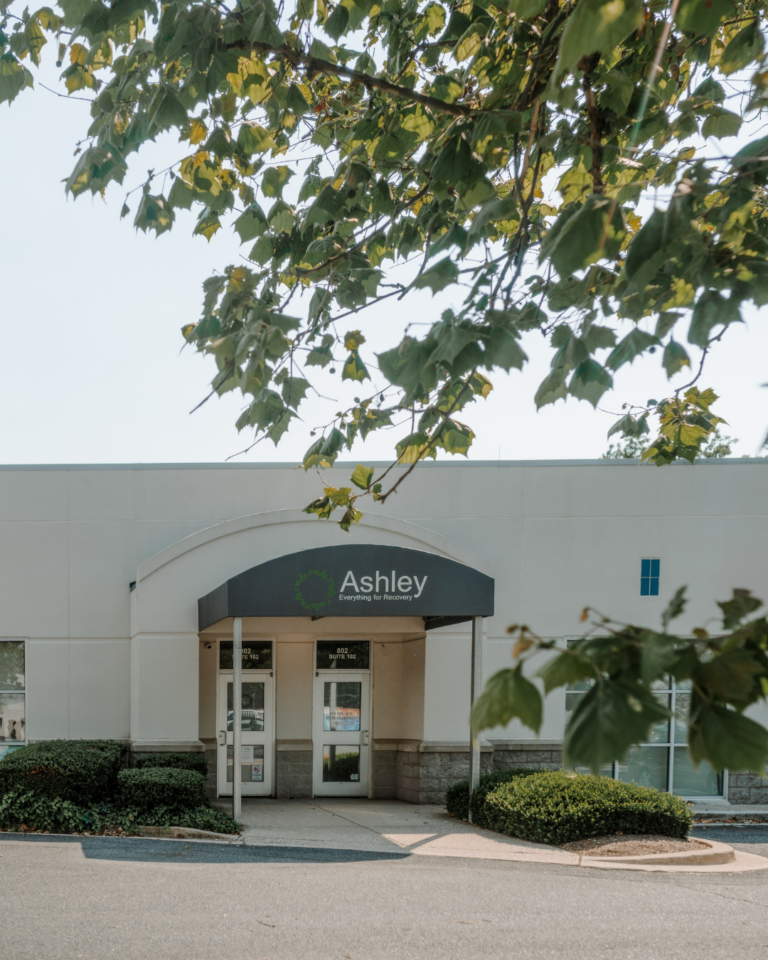
Ashley Addiction Treatment, formerly Father Martin’s Ashley, is a nationally recognized nonprofit leader in integrated, evidence-based treatment for substance use disorders and is accredited by The Joint Commission. We offer both inpatient and outpatient programs, holistic addiction treatment, drug detox, relapse prevention plans, family wellness programs and a variety of other services tailored to each patient’s needs.
Our driving principle — “everything for recovery” — reinforces our mission to heal each individual with respect and dignity, and reflects on our ongoing commitment to meet new challenges.
You don’t have to wait until things get worse. Contact us today at (866) 313-6307.