
PHP vs. IOP: How to Choose the Right Level of Care
You know you need more support than a weekly therapy session, but full residential care is either more than you...

Since 1983, Ashley Addiction Treatment has served more than 70,000 people seeking freedom from substance use disorder. We track what actually happens to our patients, during treatment and after discharge, because we believe the best treatment centers for addiction are the ones that can prove their results.
Our evidence-based clinical care is grounded in compassion and guided by data. Through active research partnerships with Johns Hopkins University faculty, we measure patient outcomes, publish findings, and use what we learn to improve every drug treatment rehab program we offer.
The numbers on this page are real. They come from our own patients. And they reflect what recovery at Ashley actually looks like.
Every year, we publish a full breakdown of our patient outcomes: abstinence rates, mental health improvements, quality of life scores, and long-term recovery engagement. If you are weighing your options among drug treatment rehab programs in Maryland, this report gives you something most facilities never offer: verified data on what recovery looks like after discharge.

Ashley’s clinical team is actively conducting studies that will shape how our inpatient rehab for drugs and alcohol is delivered. Current research includes:
This research is not theoretical. Findings feed directly back into our clinical protocols, so patients who enter our drug treatment rehab programs today benefit from what our research learned last year.
Collect patient reported symptoms, biometrics, treatment outcomes
Identify psychological and physiological therapeutic targets
Design clinical trials test the efficacy of interventions
Refine treatment interventions and subsequent clinical programming
Addiction treatment research has been chronically underfunded. For decades, too many programs operated on philosophy rather than evidence. The clinical equivalent is treating high blood pressure without ever taking a reading.
Ashley approaches it differently. We measure everything we can: what patients experience at intake, how symptoms shift during inpatient care, and what their lives look like months after discharge. Then we publish those findings.
Transparency is how we earn trust. And for anyone comparing treatment centers for addiction, published outcomes data is the clearest signal that a program stands behind its results.

At our core, we are in the knowledge business – we strive to learn, treat, and teach.
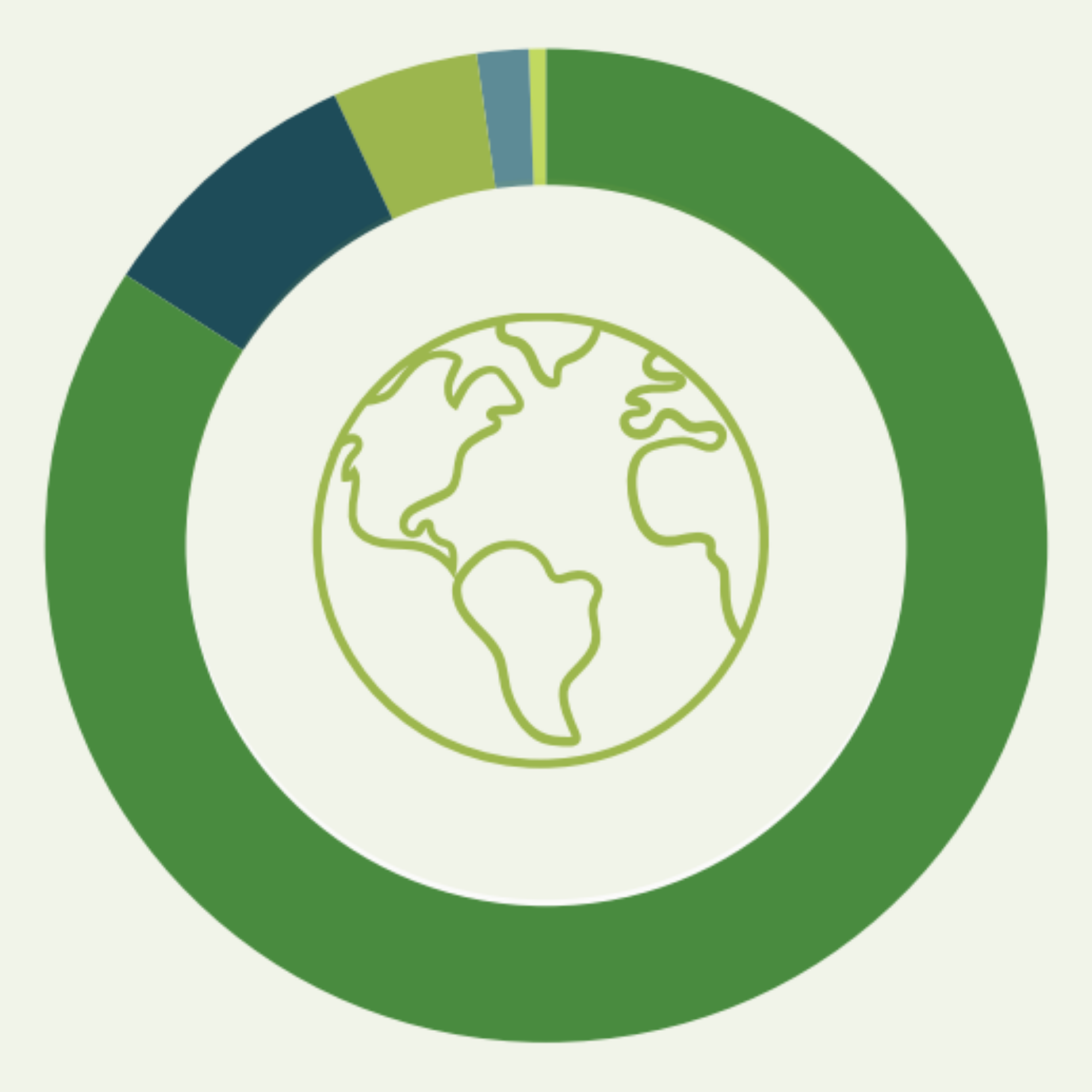
The patients who enter our inpatient rehab for drugs and alcohol come from a wide range of backgrounds. Understanding who we serve helps prospective patients and families see themselves in our outcomes data.
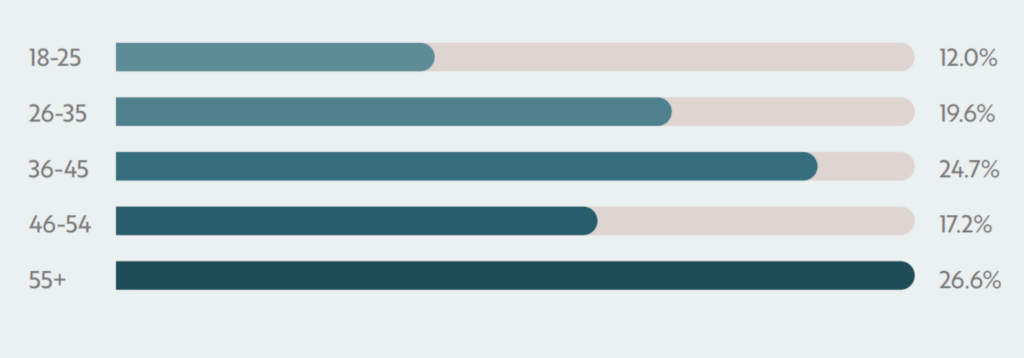
The first weeks of treatment are often the hardest. We track the symptoms that can get in the way of recovery early on:
∙ Anxiety
∙ Depression
∙ Perceived stress
We collect this data weekly from our residential patients, giving us a detailed picture of how symptoms change over time.
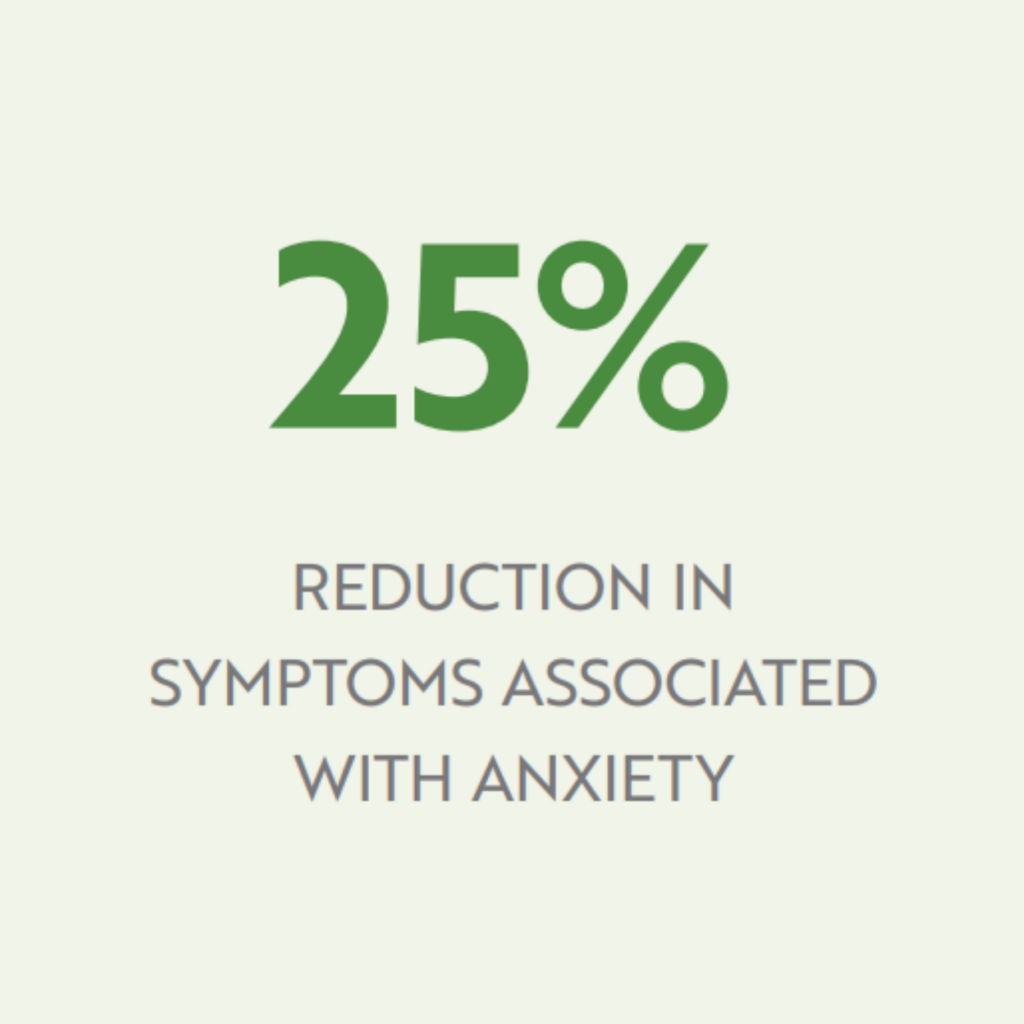
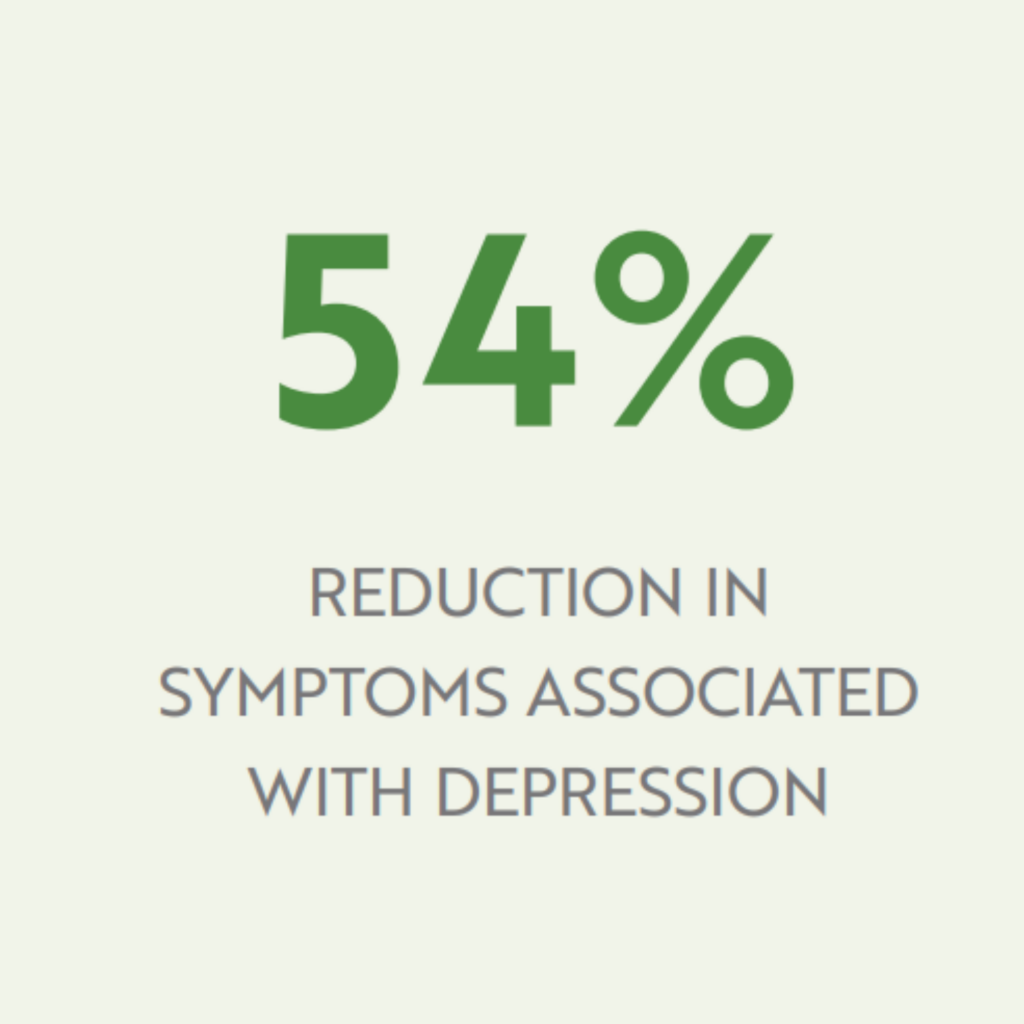
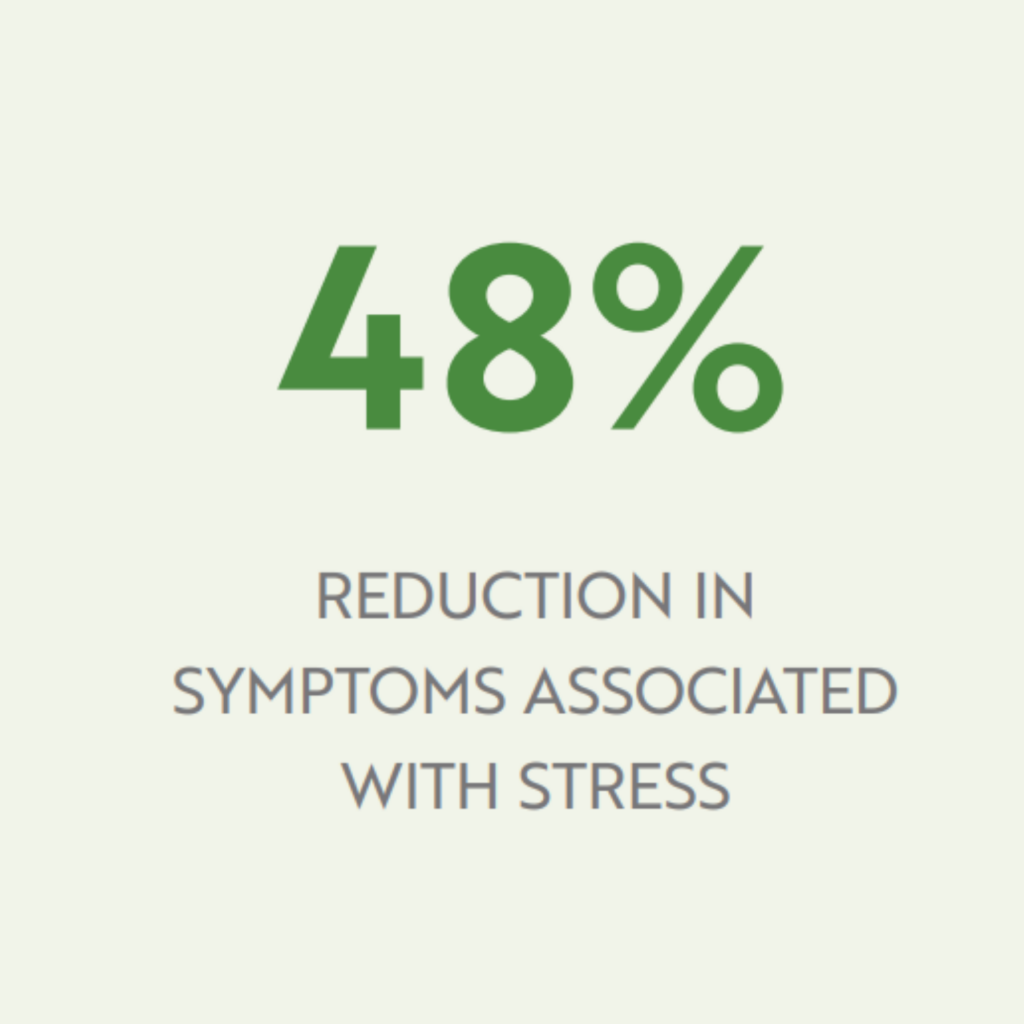
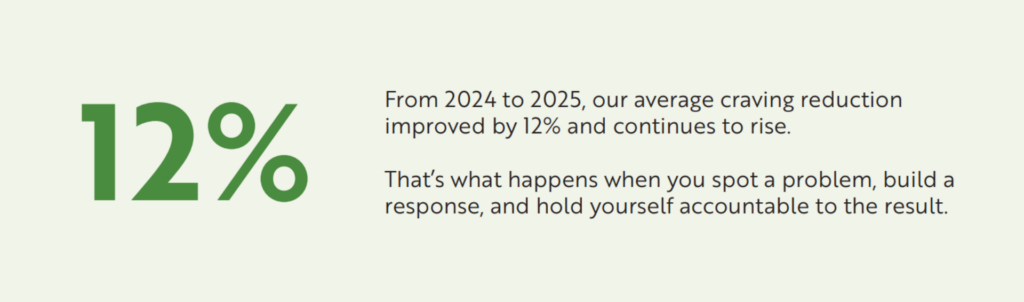
By comparing our outcomes to a national database of roughly 250 treatment programs, we found that our patients were improving overall — but craving reduction wasn’t where it should be. That’s a problem, because untreated cravings are one of the leading causes of relapse. We didn’t accept the gap. We closed it.
We made five targeted changes:
Not all drug treatment rehab programs publish their results. Many facilities describe their approach in detail but offer no data on what happens to patients after they leave. When comparing treatment centers for addiction, outcomes data is the clearest signal you have.
Here is what Ashley’s data tells you:
These are not projections. They are outcomes from real patients measured at a specific point in time, using a structured follow-up process.
"*" indicates required fields