
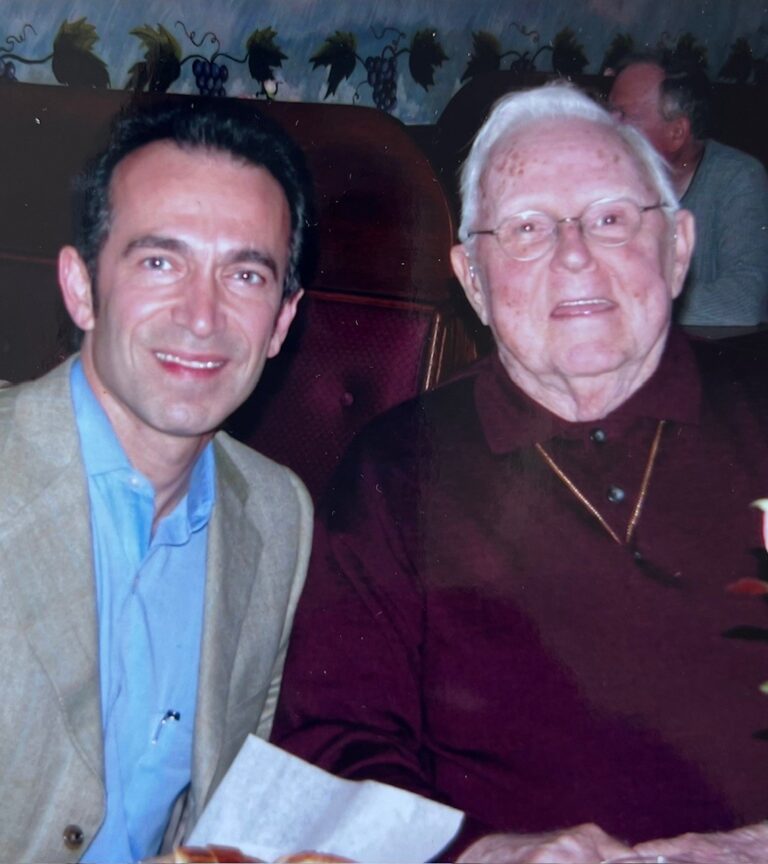
Unlocking Miracles: Shahab’s Journey to Lasting Recovery
Before Ashley For nearly two decades, Shahab lived under the weight of addiction, caught in a painful cycle he couldn’t...
Many people mistakenly believe that going “cold turkey” to combat alcohol withdrawal symptoms is safe. In reality, a non-supervised alcohol detox can be potentially life threatening. Serious side effects can occur during the withdrawal process, so it’s important to understand what to expect and how to get through it safely.

Alcohol withdrawal symptoms typically begin within six to 12 hours after the last drink. For people with severe alcohol use disorder, symptoms may start as quickly as two hours after stopping. In some cases, symptoms can persist for several weeks.
The body and brain react strongly to the absence of alcohol. At first, you might feel mildly anxious or shaky. As withdrawal progresses, symptoms can become more intense and, in some cases, dangerous. The severity of symptoms often depends on how long and how heavily you’ve been drinking, as well as your general health.
Most people experience mild to moderate symptoms that can be treated with over-the-counter or prescription medications. These may include:
Some people experience visual or auditory hallucinations 12 to 24 hours after their last drink. These typically resolve within 48 hours, but they can be distressing and may require medical oversight.
Seizures can also occur during withdrawal, typically between 24 and 48 hours after the last drink. For individuals with a history of heavy drinking, seizures may begin in as little as two hours. If you’ve undergone detox in the past, your risk for seizures increases.
In more serious cases, people may develop delirium tremens, or DTs, a severe and potentially life-threatening form of alcohol withdrawal. DTs usually begin between 48 and 72 hours after the last drink and are more likely to occur in individuals with acute health conditions, liver dysfunction, a previous history of DTs, or older age.
Symptoms of DTs can peak around day five and may include:
These symptoms require immediate medical treatment. Without close monitoring, DTs can escalate quickly and result in serious complications.
Treating alcohol withdrawal is not a one-size-fits-all process. Medical detox programs are designed to manage both the physical and psychological symptoms of withdrawal with safety and comfort in mind.
Treatment may include medications to prevent seizures or reduce agitation, intravenous fluids for hydration, nutritional support, and 24/7 monitoring by clinical staff. Inpatient detox allows for a structured, controlled environment where care can be adjusted quickly based on your symptoms.
Not everyone needs inpatient detox, but it is strongly recommended for people who:
Attempting to quit alcohol without medical supervision can lead to serious health risks, especially if severe symptoms develop. Professional detox offers the safest path forward.
Medical detox typically begins with a full assessment to determine your health status and withdrawal risk. You’ll be monitored closely as symptoms emerge and progress. Medications may be administered to help reduce discomfort and prevent complications.
Throughout detox, patients also receive support in the form of meals, hydration, and emotional care. As symptoms improve, the clinical team works with you to prepare for the next stage of treatment.
While detox is a vital first step in treating alcohol use disorder, it is not a cure on its own. Lasting recovery requires a comprehensive treatment approach that addresses the root causes of alcohol use.
Programs that follow detox often include individual therapy, group counseling, family education, relapse prevention, and holistic care options. These therapies help you build the skills and support systems needed for lifelong sobriety.
Detox alone won’t solve your drinking problem. It just cleanses your body and sets the stage for the rest of recovery. Trained professionals must continue to treat your addiction using proven methods and therapies.
At Ashley Addiction Treatment Center in Havre de Grace, Maryland, people just like you can receive the help they need to maintain lifelong sobriety. Along with detox, our substance abuse programs include:
At Ashley, we use a wide variety of treatment methods to help you understand and overcome your alcohol addiction.
If you or someone you love is ready to stop drinking for a better life, contact Ashley Addiction Treatment now at 866-313-6307.