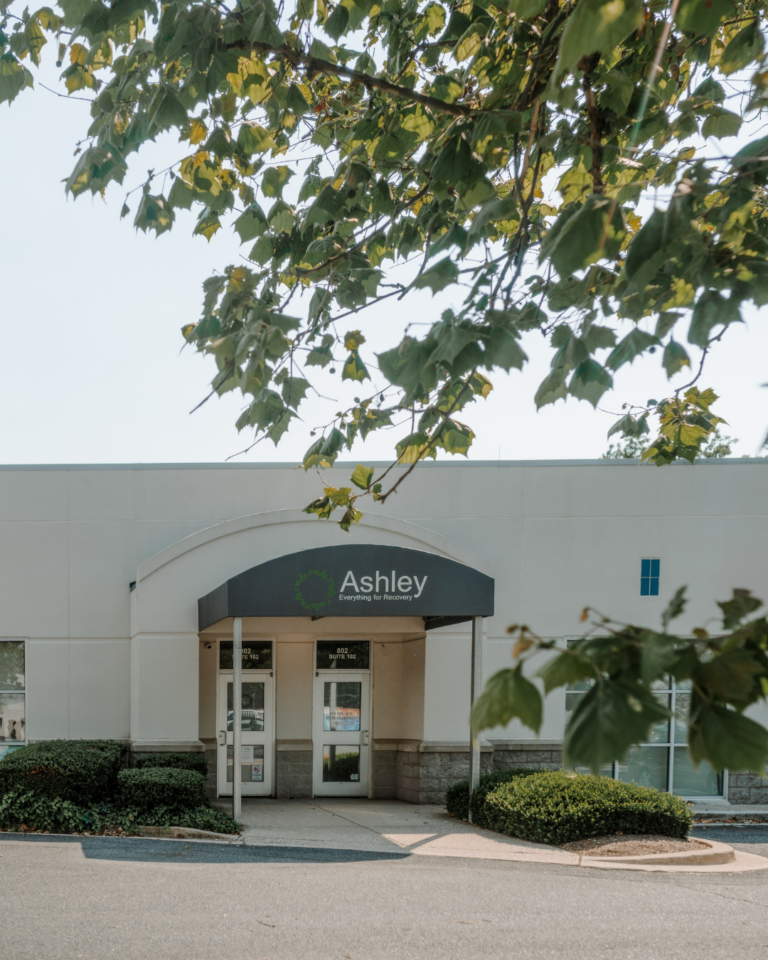

One of the most common things people say before seeking addiction treatment is: “I should be able to do this on my own.”
The belief that addiction can be overcome through willpower alone is deeply embedded in the way many people understand substance use. It can make someone feel that asking for help means they have failed—or that if they really wanted to stop, they would simply stop.
But addiction is more complicated than a lack of determination.
If you have tried to stop using drugs or alcohol and found yourself returning to them despite genuinely wanting to quit, that does not mean you are weak. It means you may be dealing with a condition that affects the brain, behavior, emotions, and physical health in ways that make recovery difficult without the right support.
Understanding those changes can help answer an important question: How do you beat addiction when willpower isn’t enough?
The answer is not to try harder. It is to get the right kind of help.
If you’re ready to start breaking the cycle of addiction, understanding why addiction continues despite your best efforts is an important first step.
What Addiction Does to the Brain That Willpower Cannot Undo
Addiction changes the brain in ways that can make stopping much more difficult than simply making a decision not to use. With repeated substance use, brain systems involved in reward, motivation, learning, decision-making, and impulse control can be affected.
One important area is the prefrontal cortex, which plays a role in judgment, planning, decision-making, and controlling impulses. Chronic substance use can interfere with these functions, making it harder to weigh long-term consequences against the immediate drive to use.
At the same time, substances can alter the brain’s reward system. Dopamine is one of the neurotransmitters involved in reward and motivation, and addictive substances can produce unusually strong effects on this system. Over time, the brain can adapt to repeated exposure, changing how it responds to both the substance and other previously rewarding experiences.
This can contribute to tolerance, cravings, and a reduced ability to experience pleasure or motivation without the substance. A person may know intellectually that using is harming them while still experiencing powerful biological and psychological pressure to continue.
That is one reason why addiction is not a choice. A person may make choices about their substance use, but addiction itself is not simply a conscious decision to continue using. The changes associated with addiction can make voluntary control significantly more difficult.
This is also why the idea of addiction willpower can be so misleading. Willpower can play a role in recovery, but it cannot reverse neurological changes by itself. Recovery requires addressing the biological, psychological, behavioral, and environmental factors that keep addiction going.
The National Institute on Drug Abuse (NIDA) explains addiction as a chronic condition involving changes in the brain and behavior, and emphasizes that treatment can help people stop using drugs, avoid relapse, and successfully recover.
For more information, see https://nida.nih.gov/publications/drugs-brains-behavior-science-addiction/drug-misuse-addiction.
Researchers are also continuing to study how inflammation and other biological processes affect addiction and recovery. Learn more about neuroinflammation and addiction.
Why People Keep Trying to Stop on Their Own
Trying to quit without professional support is not necessarily a sign that someone does not take their addiction seriously. In fact, many people attempt self-directed recovery because they genuinely want to change.
Some of the most common reasons include:
- Shame and stigma. Asking for help can feel like admitting that the problem is worse than someone wants to acknowledge.
- The belief that needing treatment means they have failed. Someone may think that if they were strong enough, they could stop on their own.
- Fear of treatment. Not knowing what rehab will be like—or worrying about work, family, responsibilities, or what treatment might uncover—can make seeking care feel overwhelming.
- Past periods of abstinence. Someone may have stopped using for days, weeks, or even months in the past and believe that another attempt should work the same way.
- Financial concerns. People may assume treatment is unaffordable or may not understand what insurance coverage or financial assistance options are available.
- Not wanting to worry others. A person may try to hide the problem from family, friends, or colleagues rather than acknowledge that they need support.
- Believing motivation is the only missing ingredient. Someone may think that if they simply become more determined, everything else will fall into place.
These are understandable reasons to hesitate. But trying to manage addiction entirely through willpower can leave a person fighting the symptoms of addiction without addressing the underlying causes.
Professional treatment does not take away someone’s responsibility for recovery. Instead, it gives them tools, structure, medical care, and support that make recovery more achievable.
If fear is keeping you or someone you love from seeking care, learning more about the fear of rehab can help make the process feel less unknown.
What Structured Treatment Provides That Willpower Cannot
So, how do you beat addiction when determination alone has not worked?
Treatment begins by recognizing that addiction needs to be addressed on multiple levels. Removing access to a substance is only one part of recovery. Effective care also addresses the physical, neurological, psychological, and behavioral factors that contribute to continued substance use.
For some people, medication can be an important part of recovery. Medications used to treat substance use disorders can reduce cravings, manage withdrawal symptoms, reduce the risk of overdose, or otherwise support recovery depending on the substance and the individual’s needs. Medication is not a replacement for recovery—it can be one component of a comprehensive treatment plan.
Learn more about medication-supported recovery and how medications can be incorporated into treatment.
Therapy is another important component. Individual and group therapy can help people identify patterns that contribute to substance use, develop healthier coping strategies, work through trauma or other mental health concerns, and practice making different choices in situations that previously triggered substance use.
Recovery also benefits from structure. Early recovery can be particularly vulnerable to environmental triggers, stress, relationships, and routines associated with substance use. Temporarily stepping away from those circumstances can create space to establish new habits and develop skills before returning to everyday life.
For some substances, abruptly stopping can also be medically dangerous. Alcohol and certain drugs can produce significant withdrawal symptoms, making medical supervision an important part of safely beginning recovery.
This is why knowing how to get help for addiction matters. Treatment is not simply about removing a substance and expecting someone to resist cravings. It is about creating the conditions in which the brain and body can begin to heal while giving a person the skills and support needed for long-term change.
The Substance Abuse and Mental Health Services Administration (SAMHSA) provides information about evidence-based treatment and resources for finding care. You can also explore treatment options through FindTreatment.gov.
At Ashley, clinical care is designed to address the complex medical, psychological, and behavioral dimensions of addiction.
Signs That Self-Directed Recovery Is Not Working
There is nothing wrong with wanting to try to change your substance use on your own. But repeated unsuccessful attempts can be a sign that additional support is needed.
Consider seeking professional help if:
- You experience repeated cycles of abstinence followed by relapse, even though you genuinely want to stop.
- You experience physical withdrawal symptoms that make stopping difficult or potentially dangerous.
- Your mental health symptoms worsen when you try to stop using.
- Your substance use is increasingly affecting relationships, employment, finances, or housing.
- You find yourself using substances primarily to avoid withdrawal or feel physically normal, rather than for the reason you originally began using.
- You cannot maintain abstinence beyond a few days or weeks without external structure or support.
- Your attempts to stop repeatedly end in the same pattern, despite changing your approach.
- You have started to believe that recovery simply isn’t possible for you.
These aren’t signs that you have failed. They are indicators that the level of support you’re receiving may not match the level of need.
If you have reached the point where you know you need more help, learning how to check yourself into rehab can make taking that first step feel more manageable.
How Ashley Addiction Treatment Supports Lasting Recovery
At Ashley Addiction Treatment, we do not approach addiction as a problem that can be solved simply by trying harder. Overcoming addiction requires addressing the neurological, psychological, physical, and behavioral factors that influence substance use and recovery.
Ashley provides a continuum of care at our main campus in Havre de Grace, Maryland, including medically supervised detox, inpatient treatment, extended care, and outpatient programming. This allows treatment to be tailored to where a person is in their recovery and the level of support they need.
If you have tried to stop on your own and it hasn’t worked, that doesn’t mean you can’t recover. It may mean it’s time to approach recovery differently. If you’re wondering how to get help for addiction, Ashley’s team can help you understand your options and determine what level of care may be appropriate.
You can begin by submitting an admissions inquiry or contacting Ashley to speak with our team.
You don’t have to overcome addiction through willpower alone. Recovery is not about proving how strong you are. It’s about having the right support to move forward.