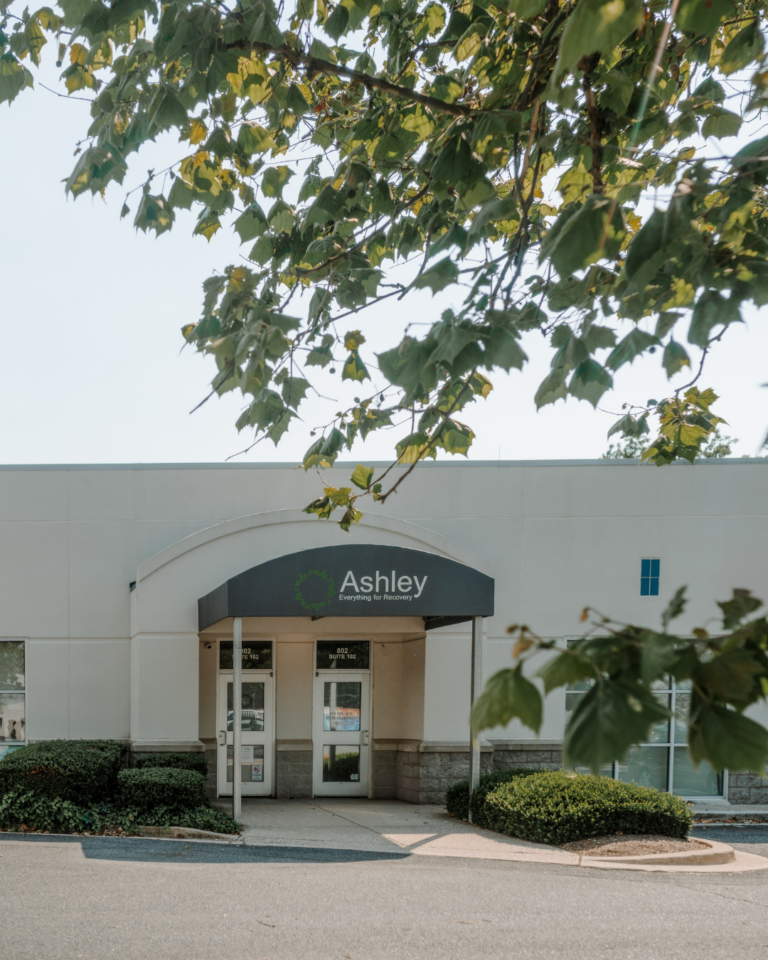

Making the decision to get help is one of the hardest parts of recovery. But for many people, recognizing they need help is only the beginning. The next question is often much more practical: What do I actually do now?
If you’re wondering how to get help for addiction, you’re not alone. Many people delay treatment—not because they don’t want it, but because the process feels confusing, intimidating, or overwhelming. You may be asking yourself who to call, what happens first, or whether you’re really “ready.”
The good news is that you don’t have to have everything figured out before taking the first step. This guide explains what voluntary inpatient treatment is, what the admissions process typically looks like, and how to move forward one step at a time.
What Voluntary Inpatient Treatment Actually Means
Voluntary inpatient treatment means choosing to admit yourself to a residential addiction treatment program because you recognize you need support. Unlike involuntary treatment, where a court or another legal authority requires someone to receive care under specific circumstances, voluntary treatment is your decision.
Choosing to enter treatment does not mean giving up your rights or your voice. At reputable inpatient drug treatment centers, patients work collaboratively with their treatment team to develop an individualized care plan based on their medical needs, recovery goals, and personal circumstances.
Many people worry that checking themselves into rehab means losing control over their lives. In reality, voluntary admission often represents the opposite. You’re taking control by making a proactive decision to prioritize your health and recovery.
It’s also important to understand that voluntary addiction treatment is different from a psychiatric hold. A psychiatric hold is a legal intervention used only when someone poses an immediate danger to themselves or others due to a mental health crisis. Voluntary inpatient addiction treatment is a self-directed choice focused on helping you safely stop using substances, begin recovery, and build a foundation for long-term wellness.
If you’re still exploring your treatment options, the Substance Abuse and Mental Health Services Administration (SAMHSA) offers a helpful overview of different levels of care and treatment approaches: https://www.samhsa.gov/find-help/treatment.
How to Know When Inpatient Treatment Is the Right Level of Care
Not everyone struggling with substance use requires residential treatment, but there are situations where inpatient care offers the safest and most effective environment for recovery. If you’re unsure how to get help for addiction, an admissions professional can help determine the level of care that’s appropriate for your needs. Until then, there are several signs that inpatient drug treatment centers often consider when making recommendations.
Some common indicators include:
- Previous outpatient treatment or counseling has not resulted in lasting recovery.
- Withdrawal symptoms may require medical supervision to manage safely.
- Your home environment makes it difficult to avoid substances or focus on recovery.
- You are experiencing both substance use and mental health concerns that need integrated treatment.
- Substance use has significantly affected your work, relationships, health, or daily responsibilities.
- You feel you need complete separation from your current environment to focus on healing.
If withdrawal is part of your situation, it’s helpful to understand the role detox plays before treatment. Learn more in What Drug Detox Treatment Can and Cannot Do: https://www.ashleytreatment.org/rehab-blog/what-drug-detox-can-and-cannot-do/.
Remember, you don’t have to make this decision entirely on your own. One purpose of the admissions assessment is to determine whether residential treatment, outpatient care, or another level of support is the best fit for your circumstances.
The Difference Between Wanting Help and Feeling Ready
One of the biggest misconceptions about recovery is that you have to feel completely ready before entering treatment.
The reality is that many people begin searching how to get help for addiction long before they feel confident about taking action. They wait for certainty, motivation, or the perfect moment—but those feelings often come after treatment begins, not before.
If you’re wondering how to check yourself into rehab, know that you don’t need absolute confidence. You only need enough willingness to make the next phone call. Recovery is built one decision at a time, and your motivation can grow as you experience support, stability, and hope.
If fear is what’s holding you back, you’re far from alone. Read Fear of Rehab: What People Are Usually Afraid Of to learn why these concerns are so common: https://www.ashleytreatment.org/rehab-blog/fear-of-rehab/.
How to Check Yourself Into Rehab Step by Step
Understanding the logistics can make the process feel much less intimidating. While every program is slightly different, most inpatient drug treatment centers follow a similar admissions process for voluntary inpatient treatment.
- Contact the admissions team. Reach out to the treatment center you’re considering by phone or through an online inquiry form. An admissions specialist will answer your questions and explain the next steps.
- Complete a clinical assessment. You’ll participate in a confidential assessment by phone or in person to discuss your substance use history, health, and treatment needs.
- Verify insurance and payment options. The admissions team will review your insurance benefits, explain coverage, and discuss available financial options if needed.
- Arrange transportation. Once admission is scheduled, you’ll make plans to travel safely to the treatment facility.
- Notify work if necessary. If you’re employed, you may qualify for protections under the Family and Medical Leave Act (FMLA), which can help you take leave for treatment while protecting your job. Learn more here: https://www.dol.gov/agencies/whd/fmla.
- Pack according to the facility’s guidelines and arrive. Bring only approved items and any required documentation. Most treatment centers provide a detailed packing list before admission.
Ashley Addiction Treatment’s Admissions page explains the process in more detail: https://www.ashleytreatment.org/admissions/. Before arriving, review What to Bring so you’ll know exactly what to pack: https://www.ashleytreatment.org/admissions/what-to-bring/.
Many people also worry about insurance, taking time away from work, or leaving family responsibilities behind. These are normal concerns, and admissions teams help people navigate them every day. You don’t have to solve every logistical challenge before making the first call.
What Happens After You Arrive
For many people, the fear of treatment comes from not knowing what happens once they walk through the doors.
During the first 24 to 72 hours of voluntary inpatient treatment, you’ll typically complete a medical evaluation, meet with members of your treatment team, and receive an orientation to the program. If detox is necessary, medical professionals will monitor your safety and comfort throughout the process.
As you settle in, clinicians begin developing an individualized treatment plan based on your physical health, mental health, recovery goals, and personal history. Rather than being expected to navigate recovery alone, you’ll be surrounded by professionals who understand what you’re experiencing and fellow patients who are beginning similar journeys.
If you’d like to learn more about what beginning recovery looks like, read The First Step of Addiction Recovery: https://www.ashleytreatment.org/rehab-blog/the-first-step-of-addiction-recovery/.
Taking That Step at Ashley Addiction Treatment
If you’ve made it this far, you may be doing more than researching—you may be considering taking the next step. Whether you’re exploring how to check yourself into rehab, looking for how to get help for addiction, or comparing inpatient drug treatment centers, you deserve clear answers and compassionate guidance.
For more than 40 years, Ashley Addiction Treatment has helped individuals and families begin recovery at its campus in Havre de Grace, Maryland. You don’t have to commit to treatment before reaching out. Our admissions team is available to answer questions, discuss your options, and help you understand what the process would look like for your specific situation.
Getting started can be as simple as submitting an Admissions Inquiry at https://www.ashleytreatment.org/admissions/admissions-inquiry/ or contacting our team directly through https://www.ashleytreatment.org/contact-us/. One conversation could be the beginning of lasting recovery.