
You finally decide to start buprenorphine. You take the first dose, and within an hour or two you feel worse than before you took it. Sweating, cramping, and vomiting hit all at once. That reaction has a name, and it scares many people away from one of the most effective treatments for opioid use disorder (OUD).
Most people who start buprenorphine never experience precipitated withdrawal, and much of the risk comes down to timing. Knowing why it happens, and how fentanyl has made timing harder, lets you start treatment with a plan instead of a guess. It can also help families understand what a loved one went through if a first attempt went badly.
What Is Precipitated Withdrawal?
Precipitated withdrawal is a sudden, intense wave of opioid withdrawal triggered by a medication rather than by stopping opioids. It most often happens when someone takes buprenorphine too soon after their last dose of a full opioid such as heroin, oxycodone, or fentanyl.
The cause lies in how buprenorphine works on the brain’s opioid receptors. Full opioids switch those receptors on completely. Buprenorphine is a partial agonist, meaning it switches them on only partway, but it binds more tightly than most other opioids. If a full opioid is still sitting on the receptors when buprenorphine arrives, buprenorphine pushes it off and replaces a strong signal with a weaker one. The body reads that sudden drop as withdrawal.
Ordinary withdrawal builds gradually over hours or days as opioids leave the body. Ashley’s guide to opiate withdrawal relief covers that slower process. Precipitated withdrawal compresses it into a short, steep spike.
Suboxone Precipitated Withdrawal
Suboxone combines buprenorphine with naloxone, an opioid blocker added to discourage misuse. People often blame the naloxone for Suboxone precipitated withdrawal, but buprenorphine is the ingredient that displaces other opioids. That is why buprenorphine-only products such as Subutex carry the same risk.
Symptoms can start within two hours of the first dose and may include:
- Body aches and muscle cramps
- Nausea, vomiting, and diarrhea
- Stomach cramping
- Sweating, chills, and goosebumps
- Runny nose and watery eyes
- Anxiety, agitation, and restlessness
These overlap with ordinary withdrawal symptoms. The difference is speed. Instead of building over a day, they arrive within a short window after a dose, often in someone who felt fairly stable before taking it.
Fentanyl Changed the Timing for Starting Buprenorphine
For years, the standard approach was simple: wait until withdrawal reaches a moderate level, then take the first dose. That approach worked well for many people using heroin or prescription opioids.
Fentanyl complicates the math. It dissolves easily in fat, so with regular use it can build up in body tissue and release back into the bloodstream slowly. Someone may feel withdrawal setting in while fentanyl is still present, and an early dose of buprenorphine can collide with it.
Clinicians have noticed the shift. In a survey of 390 clinicians conducted in 2023 and 2024, about 61% reported patients experiencing precipitated withdrawal when starting buprenorphine after fentanyl use, and many said they had changed how they start treatment as a result.
Research on how often it happens is less consistent. In a 2024 study of 226 patients who started buprenorphine in an emergency department or hospital, about 12% developed precipitated withdrawal. Among patients with confirmed fentanyl use, the rate rose to about 16%. The researchers also noted reports of precipitated withdrawal after 48 hours without fentanyl.
A large emergency department trial described by the National Institute on Drug Abuse found much lower numbers. Among about 1,200 people, roughly 70% of whom used fentanyl, fewer than 1% developed precipitated withdrawal.
The risk is real, varies from person to person, and depends heavily on timing. A clinician who knows what you have been using, how much, and when you last used can weigh those factors in a way a fixed waiting period cannot.
How Long Does Precipitated Withdrawal Last?
Most episodes peak quickly and ease within 8 to 24 hours. That is shorter than ordinary withdrawal, but the intensity makes each hour harder to get through.
How long precipitated withdrawal lasts depends on how much full opioid was still in the body when buprenorphine was taken. Long-acting opioids such as methadone, and fentanyl stored in body tissue, can stretch the episode out. The size and timing of the buprenorphine dose play a part too. So does how quickly someone gets medical care, since the right treatment can shorten symptoms considerably.
Treatment can sound backward. In case reports summarized by The Carlat Report, clinicians relieved precipitated withdrawal by giving more buprenorphine under supervision, with symptoms improving within one to two hours. Once enough buprenorphine fills the receptors, the gap between the old signal and the new one closes. Clinicians may also treat nausea, diarrhea, and anxiety with other medications and replace lost fluids.
Those decisions require monitoring. If precipitated withdrawal starts at home, contact the prescriber right away or go to an emergency department rather than trying to ride it out alone. Vomiting and diarrhea can lead to dehydration, and a bad first experience can make people wary of trying buprenorphine again.
How Supervised Induction Prevents Precipitated Withdrawal
Induction is the medical term for the first days of buprenorphine treatment. With supervision, a clinician scores withdrawal using the Clinical Opiate Withdrawal Scale (COWS), times the first dose, and adjusts the plan if symptoms climb. Before the first dose, expect questions about which opioids you use, how much, how often, and when you last used. Honest answers shape the plan. A urine drug screen may confirm whether fentanyl is present, since fentanyl can turn up in drugs sold as something else. Clinicians then choose among several approaches based on that picture.
| Approach | How it works | Who it may suit |
| Standard induction | Wait until withdrawal reaches a moderate COWS score, then give a first dose and increase over the first day or two | People using heroin or prescription opioids with a clear last-use time |
| High-dose induction | Give a larger first dose once withdrawal begins so buprenorphine fills receptors quickly | Some hospital and emergency settings, including patients who use fentanyl |
| Low-dose induction (Bernese method) | Start very small doses while the person keeps using their usual opioid, raise the dose daily, then stop the full opioid | People who use fentanyl or methadone, or who cannot tolerate going into withdrawal first |
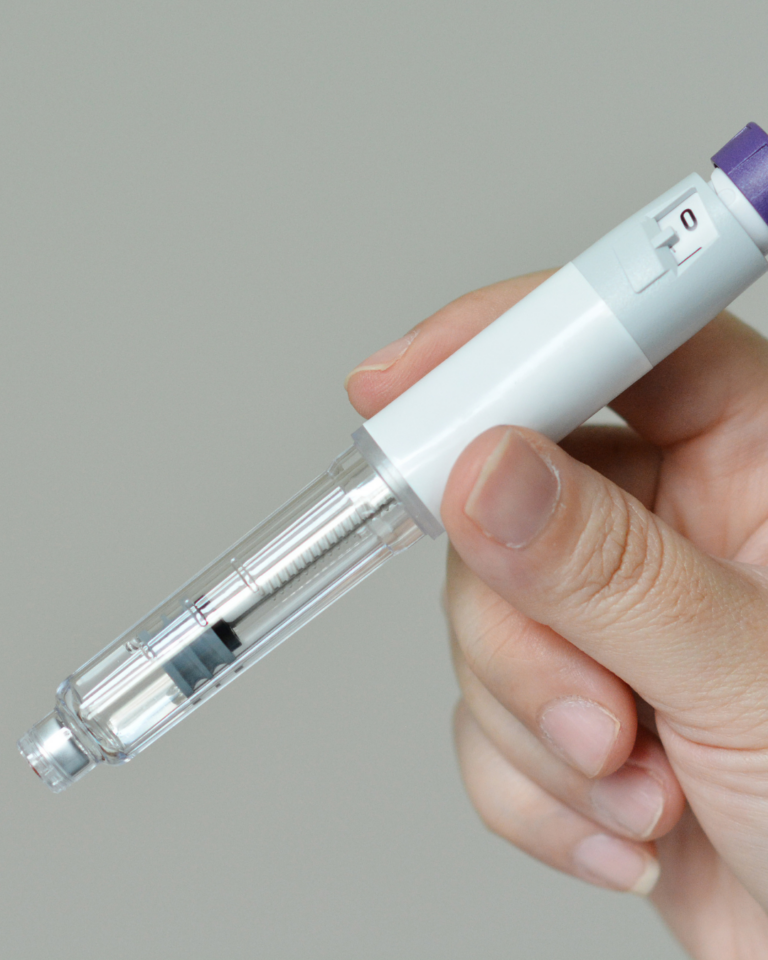
Ashley’s physicians prescribe buprenorphine as a film, a tablet, or a monthly injection as part of medications for substance use disorder. Starting it within Ashley’s addiction treatment programs means someone is watching your symptoms hour by hour during the window when precipitated withdrawal is most likely.
The Bernese Method
Clinicians in Bern, Switzerland, described the Bernese method in 2016. Instead of waiting for withdrawal, the patient keeps taking their usual opioid while starting tiny doses of buprenorphine. Each small dose claims a few more receptors without the sudden drop that causes precipitated withdrawal. Over several days, the buprenorphine dose climbs. Once it reaches a steady therapeutic level, the full opioid stops.
The approach has drawn more interest since fentanyl became dominant in the US drug supply. A 2025 JAMA Network Open commentary notes that clinicians and patients have turned to low-dose starts specifically to avoid precipitated withdrawal, while researchers continue comparing schedules to learn which work best.
The Bernese method asks a lot of the person using it. Doses are small and precise, the schedule changes daily, and opioid use continues during the first part of the process. Close contact with a prescriber makes those days safer and easier to manage.
If you or someone you love is ready to start buprenorphine, Ashley’s opioid addiction treatment brings medication, therapy, and medical oversight together, with inpatient care for people who need round-the-clock support.
Ashley also offers same-day admission for those who are medically appropriate. Start an admission inquiry or call 800-799-4673.