
Deciding to get sober is not a small thing. For many people, it is the result of months or years of private struggle, failed attempts, and moments of clarity that came and went before finally taking hold. If you have arrived at this point, that decision alone matters more than you may realize right now.
The first step of addiction recovery is not checking into a facility or completing an intake form; it is the internal shift that happens when a person moves from ambivalence to willingness. Everything else follows from that.
What often holds people back from acting on that decision is not a lack of desire to get better. It is fear of the unknown. What actually happens when you ask for help? What does the first phone call feel like? What will the first 72 hours look like? These are reasonable questions, and having real answers to them can be the difference between taking action today and waiting another week, another month, or longer.
This article walks through what those first few days hours actually look like, from the moment you decide to reach out to the early days of medically supervised detox and stabilization.
Reaching Out: What the Admissions Process Actually Looks Like
One of the most common fears people have about seeking treatment is that the process of getting in will be complicated, cold, or overwhelming. In most cases, it is simpler and more human than people expect.
The rehab admissions process at Ashley Addiction Treatment starts with a conversation. Not paperwork, not an interrogation, not a commitment you cannot take back. A conversation with someone who understands addiction and whose job is to help you figure out what the right next step looks like for your specific situation.
During that initial contact, you can expect to be asked about your substance use history, any current medical needs, and your insurance coverage or financial situation. This information helps the admissions team determine the appropriate level of care and make sure the transition into treatment is as smooth as possible. Nothing about this conversation obligates you to anything, and everything shared is confidential.
What Happens After You Make the Call
Once the admissions inquiry is complete and a level of care has been identified, the team will walk you through logistics. For those entering inpatient drug treatment facilities, this includes confirming a start date, going over what to expect upon arrival, and answering any remaining questions from the patient or their family.
For many people, the window between making the call and arriving at a facility is one of the most emotionally charged periods of the entire recovery journey. It is normal to feel relief, fear, grief, and doubt all at once. Having a clear picture of what comes next helps.
What to Bring to Rehab
Knowing what to bring to rehab removes one layer of logistical stress from an already emotional moment. Ashley recommends limiting luggage to two pieces, and the campus store is available for anything you may need after arrival.
What to Bring
- Picture ID and insurance or prescription card
- Comfortable casual clothing, including gym shorts, shirts, and sneakers (laundry service is provided)
- Unopened personal hygiene items
- All current prescription medications in their original labeled containers, along with a list of any supplements or over-the-counter medications you take regularly
- A credit card or cashier’s check for the amount agreed upon during your pre-admission assessment, plus up to $100 cash for incidentals
- A journal and books as desired
What NOT to Bring
- Alcohol, non-prescription drugs, or any product containing alcohol such as perfumes or mouthwash
- Electronics including tablets, laptops, cameras, or smartwatches
- Sharp objects, scissors, straight-edge razors, or lighter fluid
- Food, candy, or drinks
- Items of significant expense such as jewelry, watches, or designer bags
- Bedding, pillows, or stuffed animals
All bags are subject to search upon arrival and restricted items will be confiscated. For a full list of what is and is not permitted, visit our full what to bring guide before you pack.
The First 72 Hours: What Is Happening to Your Body and Mind
For most people entering treatment after active substance use, the first 72 hours are defined primarily by detox. This is the period during which the body begins clearing itself of substances, and it is often the phase that people fear most.
That fear is understandable, but medically supervised detox is very different from withdrawing alone. At a clinical level, the drug detox program at Ashley involves continuous monitoring of vital signs, medication-assisted management of withdrawal symptoms where appropriate, and round-the-clock access to nursing and medical staff. The goal is to make the physical process of detox as safe and as manageable as possible.
According to the National Institute on Drug Abuse (NIDA), medically supervised detoxification is the first stage of addiction treatment and, when done properly, prepares patients for the therapeutic work that follows.
Alcohol Withdrawal Medical Supervision Matters
Alcohol withdrawal carries specific medical risks that make supervised detox especially important. Unlike withdrawal from many other substances, alcohol withdrawal can produce severe complications including seizures and a condition called delirium tremens, particularly in people with long histories of heavy drinking. The National Library of Medicine notes that these symptoms can emerge within 24 to 72 hours of the last drink, which is precisely why attempting alcohol detox without medical oversight can be dangerous.
Inside a supervised program, these risks are anticipated and managed. Patients are not left to endure withdrawal alone, and the clinical team is equipped to intervene quickly if symptoms escalate.
What the Emotional Experience Looks Like in the First 72 Hours
The physical process of detox gets most of the attention, but the emotional experience of the first 72 hours is just as significant for many patients. Feelings of shame, fear, grief, and profound exhaustion are all common in this window. So are unexpected moments of relief.
The clinical care team at Ashley is trained to support patients through both the physical and emotional dimensions of early detox. Patients are not expected to begin deep therapeutic work in the first 72 hours. This is a time for stabilization, rest, and beginning to feel safe.
Deciding to Get Sober: Addressing the Fear Before You Arrive
For many people, the gap between deciding to get sober and actually walking through the door of a treatment facility is where momentum is lost. The decision gets made and then quietly unmade, often because fear fills the space where information should be.
Some of the most common fears people carry into this process include fear of withdrawal, fear of judgment from staff or other patients, fear of what life without substances will actually feel like, and fear of failure. All of these are worth naming directly.
Withdrawal, when managed medically, is survivable and far less traumatic than going through it alone. Treatment staff at facilities like Ashley are not there to judge. They have heard every story and their orientation is toward help, not evaluation. As for what life without substances will feel like, the honest answer is that it takes time to find out, and the therapeutic work done inside a residential program is specifically designed to help patients begin building that picture.
The therapy programs at Ashley address the psychological roots of addiction alongside its physical dimensions, giving patients tools to understand their own patterns and begin reshaping them. That work does not happen in 72 hours, but it starts there.
| Common Fear | The Reality |
| Withdrawal will be unbearable | Medical supervision manages symptoms safely |
| Staff will judge me | Clinical teams are trained in compassion, not judgment |
| I will lose everything by going | Untreated addiction carries far greater long-term risk |
| I will fail again | Relapse does not disqualify anyone from recovery |
| My family will think less of me | Seeking help is widely recognized as an act of courage |
Taking the First Step Toward an Alcohol Treatment Center Near You
If you or a loved one may be looking for an alcohol treatment center near you or looking into inpatient drug treatment facilities, the distance between where you are now and where you could be in 72 hours is shorter than it probably feels.
The first step to getting sober is rarely the dramatic moment it is portrayed as. More often it is a quiet decision made alone, followed by a single phone call or a form filled out at two in the morning. It does not have to look a certain way to count.
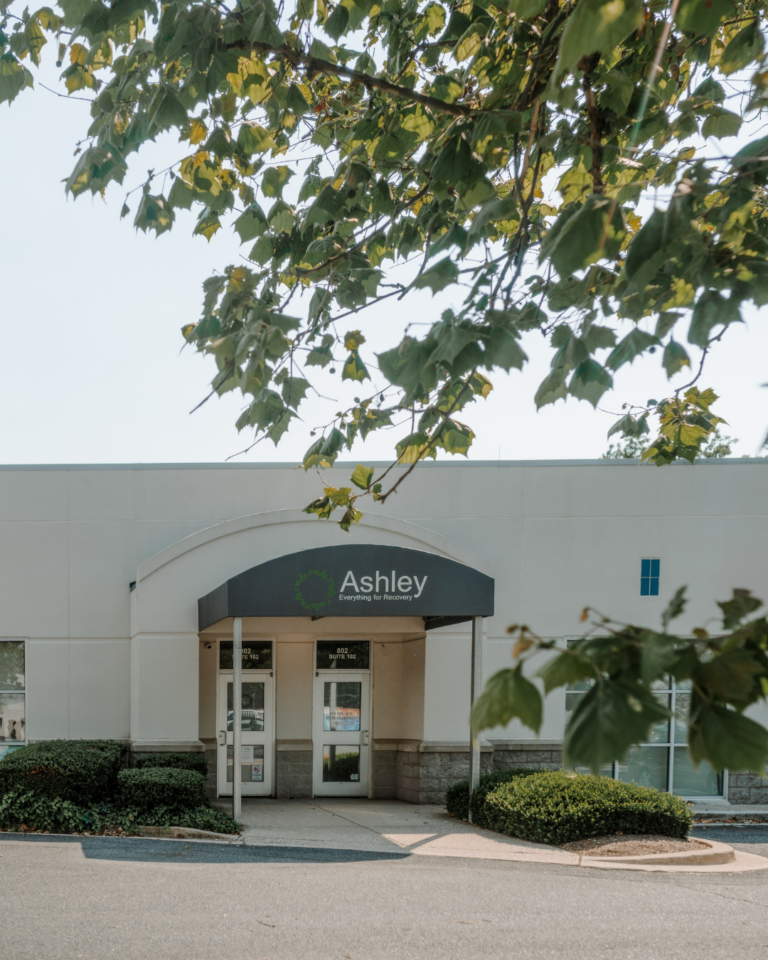
Ashley Addiction Treatment welcomes patients at its main campus in Havre de Grace, Maryland, with outpatient programs also available in Bel Air. You do not have to be a Maryland resident to receive care. The campus at Ashley is designed to support every stage of the recovery journey, from medically supervised detox through residential care, outpatient support, and aftercare planning.
If you are ready to take that first step, the admissions team is ready to meet you there.
Start your admissions inquiry today or contact us to speak with someone who can help you understand your options with no pressure and no judgment.
The next 72 hours could look very different from the last ones. That starts with one decision, and you have already made it.