
At 35 years old, Mollie is 3 years sober this September. Looking at her life today — surrounded by family, connected to a recovery community, and hopeful about the future — it is hard for her to believe there was a time she did not think her life was worth living.
“I’m glad I was given the chance to actually feel like I have a life worth living,” she said.
Mollie grew up in a typical nuclear family surrounded by a large extended family — from the outside looking in, Mollie’s life was like any other child’s. But internally, she struggled from an early age. Diagnosed with ADHD as a child, she remembers feeling different and believing she had to be medicated to be accepted, make friends, and succeed in school.
“At five or six years old, it planted a seed in my head that I wasn’t good enough,” she shared. “I was constantly trying to figure out ways to make that voice go away.”
Though she was outgoing and social, she often felt disconnected from those around her — from classmates and teachers to coaches and even family members. When medication helped her perform better, she began associating approval with changing who she was.
At 13, she discovered alcohol.
“It gave me the feeling I had been searching for,” she said.
By her junior year of high school, drinking had become part of her daily life. She stole alcohol from her parents’ garage and watched her grades, friendships, and sense of self deteriorate. After a drunk driving accident before her senior year, she still did not believe alcohol was the problem.
“I thought everyone else was doing things to me,” she said. “Alcohol tells you that you’re not the problem.”
In college, she graduated near the top of her class and convinced herself she had things under control because she drank fewer nights each week.
But once she moved out on her own, her addiction escalated. Drinking became romanticized — something she believed could never truly hurt her. Cocaine eventually entered the picture as a way to help her continue drinking longer.
Looking back now, she realizes how much of her life became blurred by addiction.
As relationships with family became strained, Mollie isolated herself further. She avoided gatherings where people might notice how intoxicated she was. Her drinking intensified during the COVID-19 pandemic while living alone. At the same time, toxic relationships and substance use pushed her further from the people who loved her most.
Her breaking point came when her father needed heart surgery. Mollie arrived at the hospital in a blackout state and was asked to leave. Soon after, her family restricted her from seeing her young nephew.
“I had everything within arm’s length to destroy my life,” she said.
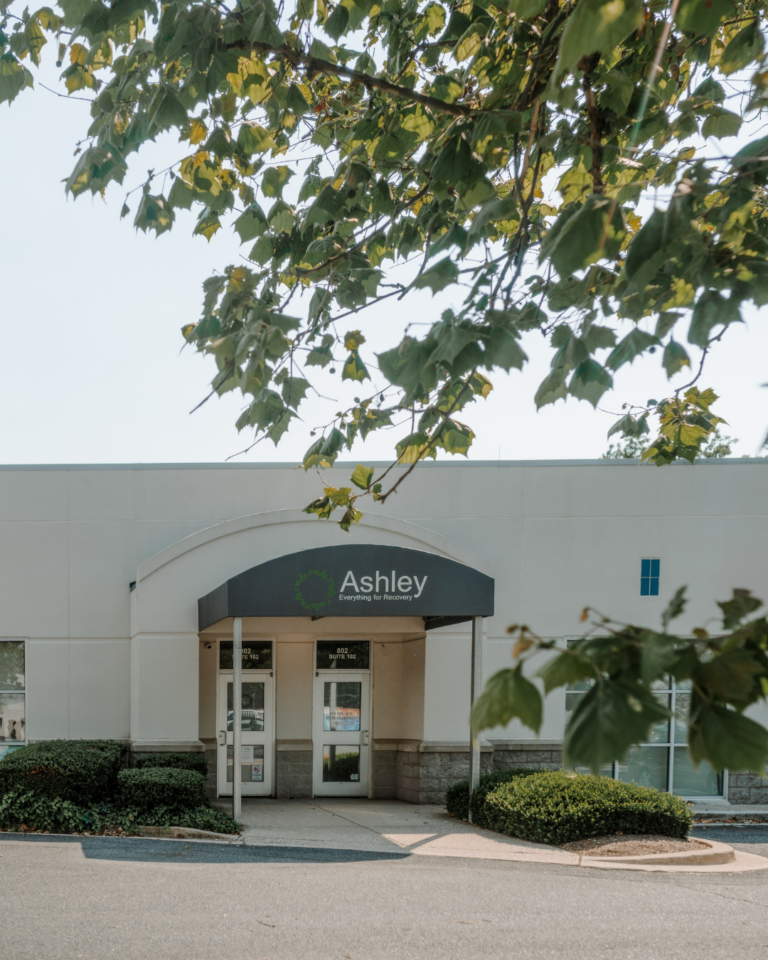
Not long after, during another blackout, her mother came to her condo and told her she needed to get help. Four days later, Mollie arrived at Ashley.
“I was exhausted,” she recalled. “I was done fighting about going.”
Leaving her parents at admissions was terrifying, but she quickly realized Ashley would become the foundation for a completely different life.
“I didn’t go into Ashley to stop drinking at first,” she said. “I went because I wanted to stop feeling a certain way.”
Through therapy, peer connection, and recovery work, Mollie began confronting the shame she had carried for years. She remembers journaling about the difference between shame and guilt, processing fractured family relationships, and slowly allowing herself to feel emotions she had spent years numbing.
“If I can own it, I can fix it,” she remembered learning during treatment.
Six days before discharge, Mollie reflected on how differently she felt compared to the woman who first walked through Ashley’s doors.
“I’m ready to live a new life,” she wrote.
When she left treatment, staff and peers were outside cheering her on.
“I didn’t want to leave,” she said. “I had never given myself time to feel afraid before I got drunk.”
Recovery did not instantly make life perfect, but it gave her the ability to face life honestly. Today, Mollie has rebuilt relationships with her parents, brother, niece, and nephew. She is now the godmother to her niece, has a strong recovery community, and continues working closely with her sponsor and home group.
“Bad situations don’t stop when you get sober,” she said. “It’s how you handle them now.”
One of the greatest lessons recovery has taught her is learning to trust herself again — while also recognizing the difference between self-care and self-sabotage.
“Sobriety feels like when your ears pop and you can finally hear.”
As she celebrates 3 years in September and enters her fourth year of sobriety, Mollie says the life she once envied in others is now the life she gets to live herself — not because everything is perfect, but because she is finally present for it.
“There’s no perfect day for me,” she said. “But today, I have a life worth showing up for.”
For years, Mollie believed all friendships were transactional or toxic and that every good time had to revolve around alcohol and cocaine. Recovery showed her something entirely different: authentic connection, peace, and joy without substances.
She now has amazing girlfriends and has discovered that she can have fun without drinking or using drugs — something she never believed was possible during active addiction.
She no longer carries toxicity in her life — not in her body, her friendships, or her family relationships.