

What Is Contingency Management in Addiction Treatment?
How Contingency Management Treats Stimulant Use Contingency management (CM) gives people small, immediate rewards, such as gift cards or prize...
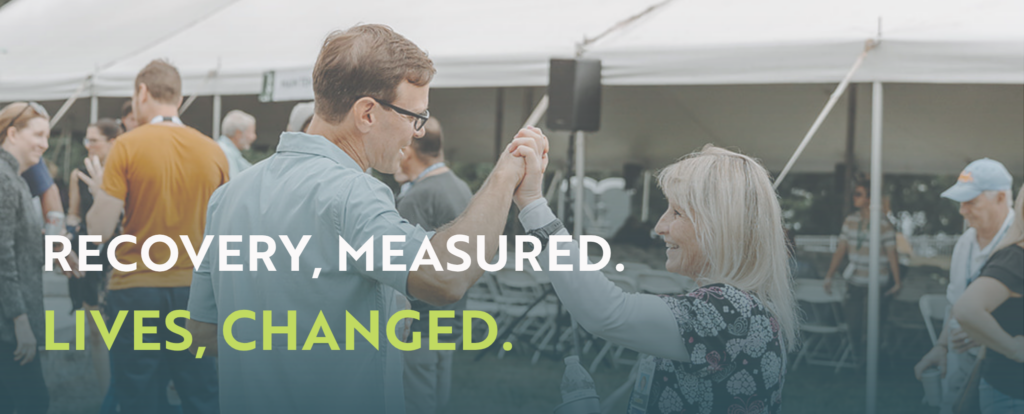
People deserve to know if addiction treatment works. Ashley is one of the few programs that can show you.

When you’re choosing treatment for yourself or someone you love, you want to know one thing: will it work? Most treatment centers can describe their approach in detail. Very few can tell you what happens to patients after they leave.
We can. Since 1983, Ashley has cared for more than 70,000 people. We track how patients are doing every week they’re with us and again after discharge. Then we publish the results, including the ones that show us where to improve.
Behind each number is a person sleeping through the night again, going back to work, or picking up the phone when a craving hits instead of a drink. These are real patients measured at a specific point in time. They are not projections.
You can’t improve what you don’t measure. We measure from the first day.
Patients report on anxiety, depression, stress and cravings.
We record how and why each patient left, including those who left early.
A structured follow-up asks about substance use, mental health, quality of life and recovery support.
We compare our results with roughly 250 treatment programs through Trac 9, so we know how our results compare.
This work is done in partnership with faculty from Johns Hopkins University, and our findings are published in peer-reviewed journals. Learn about our research
Early recovery often brings a wave of anxiety, low mood and stress, and those symptoms are a leading reason people leave treatment too soon. Because we check in weekly, our care team sees when someone is struggling and can adjust their care right away.
When the data showed a gap, we closed it.
Our patients were improving across the board. But when we compared our results to programs nationwide, one number wasn’t where it should be: cravings. Untreated cravings are one of the leading causes of relapse, so we didn’t accept the gap.
We made four targeted changes:
Started medication support earlier in treatment.
Trained every clinician on the medication options available, so each one could recognize when a patient might benefit and advocate for them.
Brought nursing staff into daily clinical conversations about medication, ending the divide between medical and therapeutic care.
Built a decision-support tool that flags patients with high cravings for early intervention.
Recovery looks different for everyone. Knowing who comes to Ashley helps you see whether people like you, or your loved one, are reflected in our results.
The full report covers abstinence, mental health, quality of life and long-term recovery engagement, with the methods behind each number. It’s the kind of data most treatment programs never publish.
If you’re comparing addiction treatment programs in Maryland or beyond, these questions will tell you a lot:
Do you publish your outcomes? Can I see them?
How do you follow up with patients after discharge, and how many do you reach?
Do you measure mental health, or only substance use?
What have you changed because of your data?
We’re glad to answer every one of these. Our admissions team can walk you through what our outcomes mean for your situation.

At our core, we are in the knowledge business – we strive to learn, treat, and teach.
Whether you’re comparing treatment programs or wondering what our results could mean for you or someone you love, we’re here to help. Send us a message and our team will get back to you
"*" indicates required fields