

Treatment vs. Recovery
Most people use the words treatment and recovery interchangeably.

Percocet is a prescription medication that works as an effective, and potentially addictive, pain reliever. Doctors often prescribe it to manage moderate to severe pain, especially after surgeries or injuries. Because oxycodone is a narcotic, Percocet can affect the brain’s reward system and create feelings of euphoria. These effects can make it addictive, even for those who begin taking it under medical supervision.
Addiction to Percocet often starts with a valid prescription. Over time, a person may build a tolerance and take larger doses to achieve the same pain relief. Some begin misusing the drug to recreate the euphoric effects. This can lead to dependence and, eventually, addiction. In some cases, individuals may begin obtaining the drug without a prescription or turn to street versions of it.
Some Common Street Names for Percocet:
People struggling with Percocet misuse may begin showing certain behaviors. These can include taking the drug more often than prescribed, hiding use from family or friends, or experiencing symptoms of withdrawal when not using. If you or someone close to you is showing signs of Percocet addiction, treatment options are available.
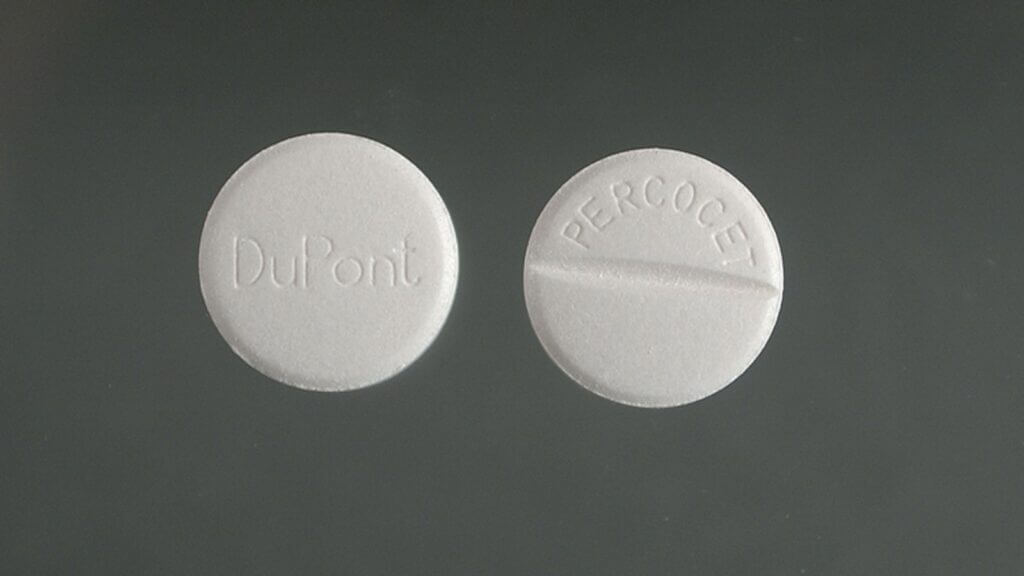
Percocet contains two ingredients: oxycodone and acetaminophen. Oxycodone is a powerful opioid that changes the way the brain responds to pain. Acetaminophen is a common non-opioid pain reliever found in many over-the-counter medications. Together, they help reduce moderate to severe pain, especially after surgery or injury.
Because it contains an opioid, Percocet can cause euphoria, drowsiness, and a sense of well-being. These effects make it prone to misuse. People may begin taking larger amounts than prescribed or continue using it after their pain has gone away. Over time, this behavior can lead to tolerance, dependence, and addiction.
Percocet is classified as a Schedule II controlled substance due to its potential for abuse. Misusing this drug, even once, can lead to serious mental and physical health problems. Continued misuse increases the chances of developing a substance use disorder, especially when combined with other medications, drugs, or alcohol.
Percocet addiction affects both the body and the mind. At Ashley Addiction Treatment, care begins with a full assessment to understand each person’s physical and emotional needs. From there, we build a plan that may include medical detox, inpatient care, outpatient services, individual and group therapy, and family involvement.
Medical detox is often the first step in treating withdrawal from Percocet. This process helps remove the drug from the body while managing symptoms in a safe setting. After detox, treatment continues with structured therapy to address the behaviors, thoughts, and situations that led to drug use.
Treatment at Ashley includes a mix of traditional and holistic approaches. Our therapists use evidence-based methods like cognitive behavioral therapy (CBT) and dialectical behavior therapy (DBT) to help individuals learn healthier ways to cope with stress and triggers. Holistic therapy support—such as mindfulness, yoga, and other wellness practices—can also be part of the process.
The goal of treatment is to help individuals recover from Percocet addiction and build a stable foundation for long-term recovery. Our team includes licensed therapists, medical providers, and support staff who focus on safety, structure, and accountability throughout each step of care.

Yes, Percocet is addictive. As an opioid, it has a high potential for misuse and dependence. Over time, individuals who take Percocet may find themselves needing more of the drug to achieve the same effect, a condition known as tolerance. As the addiction develops, individuals may struggle to control their use and experience withdrawal symptoms if they attempt to stop or reduce usage. These withdrawal symptoms can include anxiety, sweating, nausea, and in severe cases, physical discomfort or pain.
Percocet poses significant dangers, particularly due to its opioid content. When used improperly, it can cause respiratory depression, leading to difficulty breathing or even death. The euphoric high it produces can make users want to take more of the drug, increasing the likelihood of overdose. Additionally, Percocet can be highly addictive, leading to long-term physical and psychological dependence, which can impact all areas of life.
The dangers of addiction are far-reaching. Addiction to Percocet can damage relationships, lead to financial hardship, legal issues, and job loss, and cause significant health problems. Long-term opioid abuse can result in organ damage, increased risk of infection, and mental health disorders such as depression and anxiety. Overdose is a serious risk, especially when Percocet is mixed with other substances like alcohol or illicit drugs.
Withdrawal from Percocet can be uncomfortable and even dangerous without professional help. Symptoms of withdrawal may include:
The brain becomes reliant on opioids for mood regulation, so when the drug is no longer present, intense feelings of anxiety or depression may occur, making it difficult for individuals to cope with daily life.
Withdrawal can lead to heightened emotions, causing irritability or anger. This emotional rollercoaster can be distressing, making it important to have emotional support.
As the body adjusts to the absence of the drug, the autonomic nervous system may become dysregulated, causing excessive sweating or chills as the body tries to find its balance.
Opioids like Percocet affect the digestive system, and withdrawal can lead to gastrointestinal distress. Nausea, vomiting, and stomach cramps are common symptoms that can contribute to dehydration and further discomfort.
The body often experiences widespread muscle pain or stiffness during withdrawal. These physical symptoms can feel like the flu, adding to the overall discomfort.
Opioids can alter sleep patterns, and without them, individuals may experience difficulty sleeping, leading to exhaustion and further strain on the body and mind.
As the body adjusts to the absence of Percocet, the heart rate may increase, leading to feelings of palpitations or anxiety. This can be particularly concerning for those with underlying heart conditions.
The brain becomes accustomed to the reward system activated by opioids, so cravings for Percocet may occur during withdrawal. These cravings can be intense and challenging to resist, which is why professional assistance is important in avoiding relapse.
Signs of Percocet addiction can vary but often include:
At Ashley Addiction Treatment, counseling can help individuals overcome their addiction to Percocet. Our counseling approaches include individual therapy, group therapy, and family therapy. Our counselors work closely with patients to identify the underlying causes of their addiction, address any co-occurring mental health disorders, and help clients develop coping strategies to prevent relapse.


Inpatient rehab at Ashley provides a structured, supportive environment for individuals struggling with Percocet addiction. Patients reside at our facility for a designated period, receiving around-the-clock care and therapy. This environment helps individuals focus solely on their recovery, free from the distractions or triggers of everyday life. Inpatient treatment includes detox, therapy, education on addiction, and emotional support to help clients rebuild their lives.
For individuals seeking flexibility in their treatment, Ashley also offers outpatient programs. These allow clients to attend therapy and counseling sessions while maintaining their daily responsibilities. Our outpatient programs are designed to provide the support needed to achieve and sustain recovery from Percocet addiction.

At Ashley Addiction Treatment, our goal is to provide comprehensive, personalized care to support individuals through every stage of their recovery from Percocet addiction. If you or a loved one is struggling with Percocet addiction, contact us today to learn more about our treatment options and begin the journey to a healthier, drug-free life. Please reach out to our helpline, available 7 days a week, at 1-800-799-HOPE (4673), or contact us here for more information on how we can help.