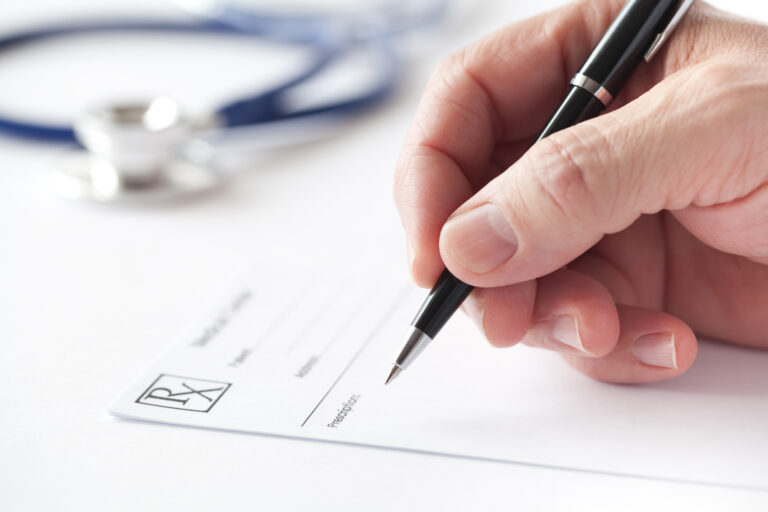
Substance use disorder treatment involves multiple therapeutic interventions working together. Medications for Substance Use Disorder (MSUD) uses FDA-approved medications to assist individuals in the recovery process, particularly for opioid and alcohol use disorders.
MSUD therapy is not intended for everyone in treatment. Healthcare providers determine whether MSUD fits each person on a case-by-case basis. The medications available work specifically for certain substance use disorders, primarily opioid or alcohol use disorders.
The decision to include MSUD support in a treatment plan depends on several factors: the individual patient’s degree of motivation, their available support system, the presence of co-occurring disorders, their level of functioning, and the number of previous attempts at abstinence.
What are Medications for Substance Use Disorder (MSUD)?
Recovery programs allow treatment planning to be customized to each individual’s unique needs. For someone who has attempted abstinence-based programs in the past and was not able to sustain sobriety, MSUD therapy can prove useful.
MSUD utilizes medications such as buprenorphine and naltrexone to provide an additional layer of support in the early months or years of recovery. For MSUD patients, medication becomes an integral aftercare component, alongside outpatient services, sober living and participation in a 12-Step community.
According to the Substance Abuse and Mental Health Services Administration (SAMHSA), medications for substance use disorders help normalize brain chemistry, block the euphoric effects of alcohol and opioids, relieve physiological cravings, and normalize body functions without the negative effects of the abused substance.
Medications like buprenorphine and naltrexone help reinforce and solidify early recovery by blocking or dramatically reducing the effects of opioids on the brain. With continued use of the medication, the desire to seek the substance eventually fades away, which leads to a reduced risk of relapse and overdose.
Medications Used to Treat Substance Use Disorder
Buprenorphine and naltrexone are the two most commonly prescribed MSUDs. These medications are available in various formulations, such as tablet, sublingual film, pellet implant, extended release injection or dermal patch.
What is Buprenorphine?
Buprenorphine is a synthetic opioid partial agonist used in MSUD therapy for opioid use disorder. This medication cannot be administered until the individual has abstained from opioids for a minimum of 12-24 hours. If given sooner than this, it can possibly trigger acute withdrawal symptoms.
With continued use, buprenorphine causes diminished opioid effects, which naturally causes a loss of interest in opioids and reduced cravings for the drug. Once the individual has discontinued opioid use and no longer experiences opioid cravings, the buprenorphine dosage can be reduced or the dosing schedule changed to alternate-day dosing. The duration of buprenorphine use is determined by the specific recovery needs of each individual.
Buprenorphine works by partially activating opioid receptors in the brain, which helps reduce withdrawal symptoms and cravings without producing the same high as other opioids. This makes buprenorphine an effective medication for MSUD support during early recovery.
What is Naltrexone?
Naltrexone is a non-narcotic medication that binds to opioid receptors and blocks the euphoric and sedative effects of opioids. It also has the same effect on endorphin receptors, which blocks the effects of alcohol. Naltrexone reduces and suppresses opioid or alcohol cravings, which helps reduce the risk of relapse.
A naltrexone regimen should not be started until the individual is well into the withdrawal phase. For instance, about one week for someone with opioid use disorder, or for someone with alcohol use disorder, after alcohol detox has been completed. Starting naltrexone too early could lead to acute withdrawal symptoms. Naltrexone is typically prescribed for 3-4 months.
Unlike buprenorphine, naltrexone contains no opioid components and is not addictive. This medication works by blocking opioid receptors completely, preventing any opioid from activating them. For alcohol use disorder, naltrexone reduces the rewarding effects of drinking.
How MSUD Support Improves Recovery Outcomes
The purpose of integrating MSUD into aftercare planning is to help the individual achieve a better quality of life. These medications accomplish this by eliminating cravings, extending sobriety and stabilizing recovery. For these reasons, MSUD therapy should be included in overall recovery planning for those individuals who would most benefit from these medications.
MSUD support works best when combined with comprehensive treatment. According to SAMHSA, research shows that medication combined with behavioral therapies is more effective than either approach used alone. At Ashley Addiction Treatment, Medications for Substance Use Disorder is part of a broader treatment approach that includes:
- Individual and group therapy
- Holistic care that encompasses the mind, body and spirit
- Inpatient and outpatient treatment options
- Relapse prevention plans
- Family wellness programs
The combination of buprenorphine or naltrexone with these therapeutic interventions provides individuals with the tools they need to maintain long-term recovery.
Is MSUD Therapy Right for You?
Not everyone needs MSUD. Healthcare providers evaluate each person individually to determine whether buprenorphine, naltrexone, or other medications would benefit their recovery journey. Factors that influence this decision include:
- Type of substance use disorder (MSUD works primarily for opioid and alcohol use disorders)
- Severity of dependence
- History of previous treatment attempts
- Co-occurring mental health conditions
- Individual preferences and concerns about medication
If you or a loved one is struggling with opioid or alcohol use disorder, medications for substance use discovery may be an option worth exploring. MSUD support has helped many individuals achieve and maintain sobriety when other approaches were not successful.
Ashley Addiction Treatment, formerly Father Martin’s Ashley, is a nationally recognized nonprofit leader in integrated, evidence-based treatment for substance use disorders. Our programs are accredited by The Joint Commission, and result in frequent publications of ongoing research into effective treatment methodologies. We offer holistic care that encompasses the mind, body and spirit through inpatient and outpatient treatment, provide drug detox, relapse prevention plans, family wellness programs and a variety of other services tailored to each patient’s unique needs. Our driving principle — “everything for recovery” — reinforces our mission to transform and save lives through the science of medicine, the art of therapy and the compassion of spirituality, and is complemented by our philosophy of healing with respect and dignity. For information about our comprehensive programs, please contact us today at (866) 313-6307.