
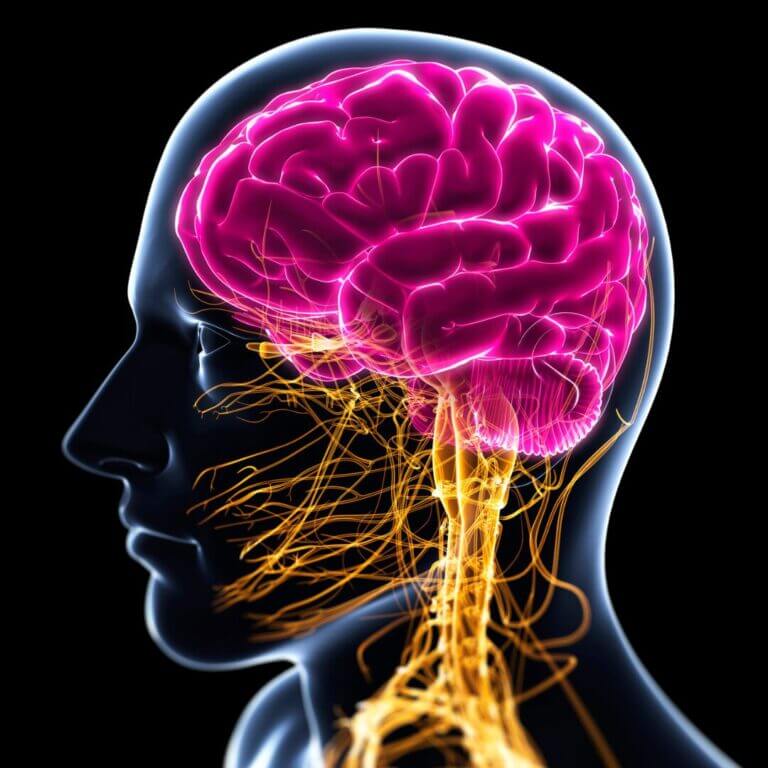
Understanding Dopamine in Recovery
Dopamine is a neurotransmitter that sends messages between nerve cells.

Recognizing the signs of addiction to drugs can help individuals and families take action before the situation worsens. Drug addiction often begins subtly, with changes in mood, energy levels, appearance, or social behavior that may seem unrelated to substance use. These small changes can be easy to overlook until the addiction becomes more severe and deeply rooted.
Understanding what to look for, and what the progression of addiction looks like, can make a difference in identifying a substance use disorder early. Early detection offers an opportunity for intervention before addiction causes serious harm to a person’s health, relationships, and future.
Although drug addiction affects everyone differently, there are recognizable patterns and behaviors that may point to a developing problem. Some of these signs may seem minor at first but often grow in intensity as the addiction deepens.
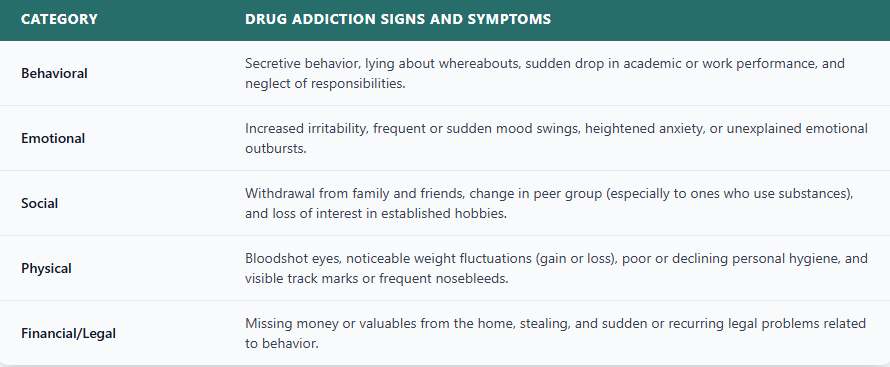
Not everyone who tries a substance becomes addicted. However, repeated misuse, especially when it is used to escape emotional pain or stress, can turn into dependency. Understanding the distinction between casual use and problematic use is vital.
Here are some questions to help clarify the situation:
If the answer is yes to more than one of these questions, it may be time to seek professional help.
An intervention is a carefully planned process led by family members, friends, and often a trained professional. Its goal is to help someone recognize the impact of their addiction and agree to enter treatment.
Steps in the intervention process typically include:
Ashley Addiction Treatment provides professional support for families at each step of this process, helping create a structured, compassionate intervention plan.
Supporting someone who may be struggling with addiction is often difficult and emotional. Denial is common, and fear of confrontation or rejection can make it hard to speak up. However, early support can make a meaningful difference.
Tips for approaching someone you care about:
You don’t have to do it alone. At Ashley Addiction Treatment, our admissions counselors work directly with families to provide insight, support, and options for care.
Ashley Addiction Treatment offers a full continuum of care to support individuals through every phase of recovery. We focus on evidence-based treatment and compassionate care tailored to each person’s needs.
Each program at Ashley integrates physical, emotional, and spiritual care to provide a whole-person path to recovery.
Inpatient treatment at Ashley provides a safe and structured environment where individuals can focus fully on their recovery without outside distractions. The daily schedule promotes healing through routine, peer support, and therapeutic engagement.
A typical day may include:
Our main campus in Havre de Grace, MD, offers comfortable accommodations, peaceful surroundings, and a dedicated team committed to guiding each patient toward lasting recovery.
If untreated, addiction can impact nearly every aspect of a person’s life. The longer addiction continues, the more damage it can cause to physical health, mental well-being, and relationships. Some long-term effects include:
Recognizing the signs early and seeking treatment can prevent these outcomes.
Choosing a drug rehab center is one of the most important decisions you can make in the recovery process. It’s important to look for facilities that are fully accredited and licensed by trusted healthcare organizations. Accreditation shows a commitment to high standards of care and patient safety.
The best treatment centers offer evidence-based therapies, including cognitive behavioral therapy, medication-assisted treatment, and trauma-informed care. These approaches are proven to support long-term recovery. A good rehab program will also provide a range of treatment options, from detox and residential care to outpatient support and aftercare services.
Staff qualifications matter as well. A reputable rehab center will employ licensed and experienced professionals, including medical doctors, addiction counselors, and mental health specialists. Personalized treatment planning is another important factor. Each person enters treatment with a unique set of needs, so programs should be flexible and responsive to those differences.
Involving family members in the process can also be beneficial. Some facilities offer structured family programs that include education, therapy, and ongoing support. Lastly, successful recovery often depends on what happens after treatment. Make sure the program you choose offers aftercare planning and resources to help prevent relapse and support long-term success.
Ashley Addiction Treatment meets all of these standards and provides compassionate, comprehensive care tailored to the needs of each individual.
If you recognize signs of addiction in yourself or someone you care about, Ashley Addiction Treatment is here to help. Our admissions counselors are available to answer your questions and guide you through the next steps.
Call us at 866-313-6307 for a confidential conversation, or contact us directly to learn more about starting treatment.