
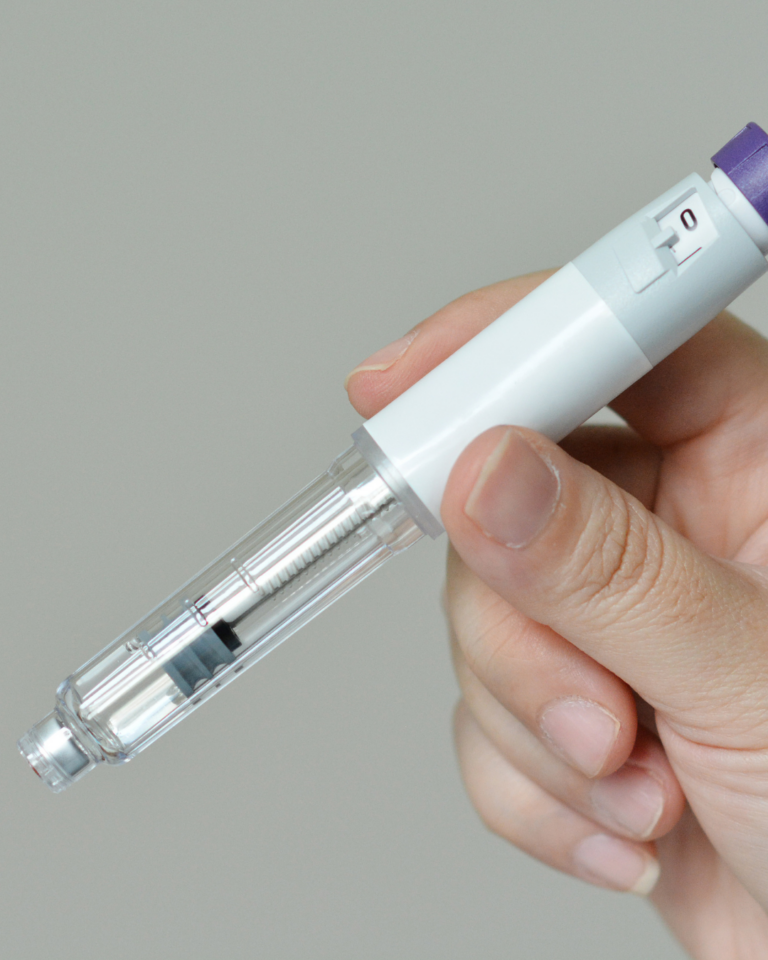
Prescription painkillers can provide relief for people recovering from surgery, injury, or chronic pain. These medications, often sold under brand names like Vicodin, OxyContin, and Percocet, are synthetic opioids that change how the brain processes pain. While they are helpful for short-term relief, painkillers carry a high risk of addiction if used for long periods.
Painkillers interact with the brain’s opioid receptors to reduce the sensation of pain. At the same time, they trigger the release of dopamine, which creates a sense of pleasure and calm. This combination of pain relief and euphoria can make these medications addictive. Over time, a person may need to take larger or more frequent doses to achieve the same effect. This pattern can lead to physical dependence and, in many cases, opioid use disorder.
Each year, thousands of people across the United States experience serious health consequences related to painkiller misuse. Recognizing the symptoms of painkiller addiction is an important first step in getting help for yourself or someone you care about.
How Do People Get Addicted to Painkillers?
Painkillers, or opioids, are highly addictive substances. They interact with our brain’s opioid receptors, attaching to the receptors and creating a surge of dopamine. Dopamine is a neurotransmitter that signals the body to feel pleasure, which is recorded in the brain’s reward system.
With continued painkiller use, the neurotransmitters in the brain become altered, which leads to drug dependence. With prolonged use, the body requires higher doses more frequently in order to satisfy its physiological demands.
This pattern can quickly lead to physical dependence. When someone continues using opioids despite harmful consequences, this may be a sign of opioid use disorder, which is the clinical term for opioid addiction.
In many cases, addiction to painkillers can begin within just a few weeks of consistent use. Recognizing how addiction starts helps families and individuals take action before the situation worsens.
Common Signs and Symptoms of Painkiller Addiction
Understanding the symptoms of painkiller addiction can help you recognize when it’s time to seek help. The signs often fall into three categories: behavioral, physical, and psychological. When several of these symptoms appear together, it may point to an opioid use disorder.
Behavioral signs of painkiller addiction:
- Seems obsessed with obtaining the medication
- Engages in doctor shopping to obtain more refills
- Steals painkillers from friends and family
- Experiences financial problems associated with opioid use
- Experiences legal problems related to opioid use
- Has a decline in work performance
- Withdraws from social activities
- Neglects responsibilities
Physical signs of painkiller addiction:
- Drowsiness
- Pinpoint pupils
- Skin rash
- Slowed respiratory rate
- Tinnitus
- Nausea and vomiting
- Itching
- Slowed respiratory rate
- Chronic constipation
- Muscle pain
- Headaches
- Impaired vision
- Increased tolerance
- Withdrawal symptoms emerge when opioid wears off
Psychological signs of painkiller addiction:
- Depression
- Anxiety
- Sleep disturbances
- Mood swings
- Apathy
- Memory problems
- Mental confusion
- Symptoms of psychosis
If you recognize a cluster of these symptoms in yourself or someone you care about, it may indicate an opioid use disorder.
Treatment Options for Painkiller Addiction
Fortunately, there is expert support and evidence-based treatment available to help someone who has developed a painkiller addiction. Here is what you can expect in treatment for opioid use disorder:
- Withdrawal Management: The recovery journey starts with withdrawal management. Throughout the withdrawal process, symptoms will be closely observed and mitigated by the support of a medical detox team.
- Medication Supported Recovery (MSR): MSR is an adjunctive treatment element that utilizes medications like buprenorphine and others to ease cravings and minimize withdrawal discomfort.
- Individual therapy: During the one-on-one therapy sessions, the psychotherapist guides the individual toward identifying factors that may be driving the painkiller addiction. Cognitive behavioral therapy can guide individuals in shifting disordered thought and behavior patterns toward healthy, productive ones.
- Group Counseling: Having the support of peers in recovery is a vital aspect of substance use treatment. Group therapy provides an opportunity to connect with others on a deeper level by sharing personal experiences and struggles.
- Complementary Therapies: These include family therapy, meditation, yoga and art therapy. These activities can augment clinical results and improve recovery success rates.
Opioid use disorder is highly treatable, so don’t hesitate to reach out for support. A fulfilling, productive life awaits you.
Getting Help at Ashley Addiction Treatment
Ashley Addiction Treatment is a nonprofit organization known for its integrated and research-informed care for substance use disorders. Formerly Father Martin’s Ashley, our program is accredited by The Joint Commission and combines medical expertise with compassionate support.
Our services include:
- Inpatient and outpatient treatment options
- On-site medical detox
- Medication supported recovery
- Individual and group therapy
- Family wellness programs
- Relapse prevention planning
Treatment is personalized to meet the needs of each individual. Our approach includes care for the mind, body, and spirit in an environment rooted in dignity and respect.
We serve individuals and families from across the country at three Maryland locations:
- Main Campus – Havre de Grace, MD
- Bel Air Outpatient Center – Bel Air, MD
- The Clubhouse by Ashley – Aberdeen, MD
If you or someone you care about is showing signs of addiction to painkillers, don’t wait to seek support. Call us at 866-313-6307 to speak confidentially with a member of our team.