

Why Some People Experience Severe Withdrawal While Others Do Not
Two people can use the same substance for a similar length of time and have completely different withdrawal experiences.

Benzodiazepines—commonly known as “benzos”—are prescription medications used to treat anxiety, insomnia, and certain seizure disorders. While effective for short-term use, they carry a high risk of dependency. Benzodiazepine addiction occurs when the brain and body become reliant on these drugs, making it difficult to function without them.
Commonly Abused Benzodiazepines
Because these medications can produce feelings of calm and sedation, they are often misused—leading to benzo addiction and long-term health risks.
Dependence usually begins gradually. A person may start by taking their medication as prescribed, but tolerance builds, requiring higher doses for the same effect. Over time, misuse can evolve into benzodiazepine abuse and addiction.
Behavioral, Physical, and Emotional Warning Signs
Short-Term and Long-Term Health Risks
If a friend or family member shows sudden personality changes, appears overly sedated, or frequently runs out of their medication early, they may be struggling with benzo addiction.
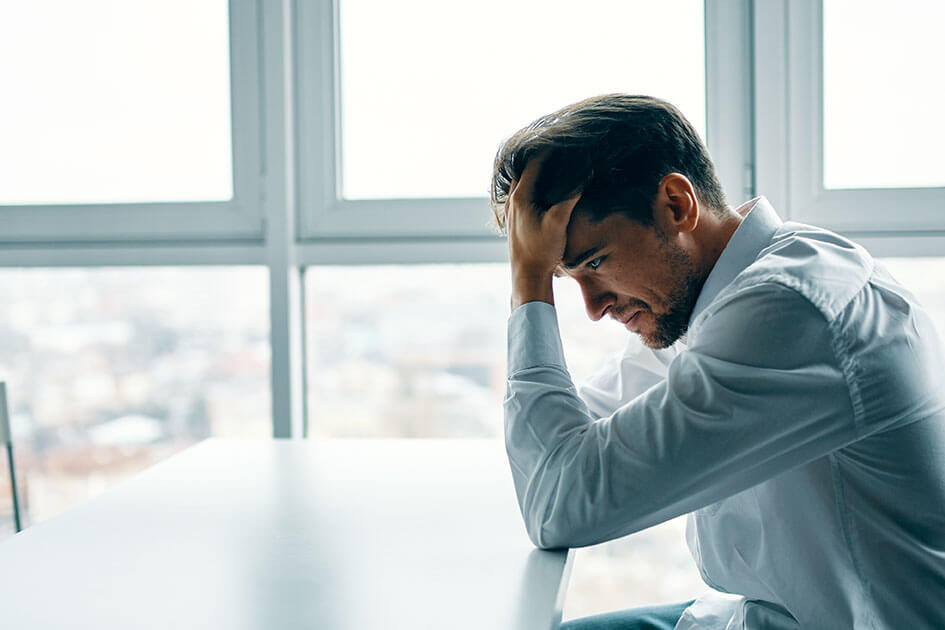
High doses of benzos can dangerously slow breathing and heart rate, especially when combined with other substances.

Over time, benzodiazepine addiction can worsen the very symptoms the drugs were prescribed to treat—leading to chronic anxiety, deepened depression, and cognitive impairment.

Combining benzos with alcohol, opioids, or other depressants greatly increases the risk of respiratory failure and accidental death.
Medical Detox for Benzodiazepines
Because withdrawal from benzos can be dangerous—even life-threatening—medical detox in a supervised setting is the safest first step.
Inpatient vs. Outpatient Benzo Rehab at Ashley
Therapy and Support Groups Used in Treatment
Ashley uses evidence-based therapies such as cognitive behavioral therapy (CBT), group counseling, and peer support groups to address the root causes of benzo addiction.
Holistic and Evidence-Based Care Approaches
Treatment includes mindfulness, fitness, nutrition support, and family therapy to heal the whole person—not just the addiction.
Our team includes doctors, nurses, and therapists with expertise in benzodiazepine addiction treatment.
Every patient follows a personalized path to recovery. By building a schedule tailored to their unique interests and needs, each individual can get the greatest benefit from treatment.
We provide care at our Maryland locations including our inpatient facility in Havre de Grace, and our outpatient facility in Bel Air, all within a close drive from Aberdeen Maryland.
Support doesn’t end when treatment does. Our Extended Care program, offered at a private residence near our Havre de Grace campus, provides a safe and comfortable environment for continued healing. We also offer outpatient treatment in Bel Air, reinforcing our commitment to lifelong recovery across Maryland. In addition, Ashley’s alumni department walks alongside you from the moment you enter treatment and throughout your first year of recovery, with resources including weekly virtual support meetings for families who have a loved one struggling with addiction or in any stage of recovery.
At Ashley, we understand the courage it takes to seek help. Our admissions team provides confidential assessments to guide you toward the right level of care. We accept most major insurance providers and offer flexible payment options to make treatment accessible.
If you or someone you know is struggling with addiction, please reach out to our helpline, available 7 days a week, at 1-800-799-HOPE (4673), or contact us here for more information on how we can help.
